
How Does Sleep Paralysis Vary Across Different Cultures?
Sleep paralysis is a phenomenon that has been documented in different cultures around the world. Have you ever wondered how sleep paralysis manifests in various cultures? Let’s explore how this eerie experience differs based on cultural beliefs and interpretations.
What is Sleep Paralysis?
Sleep paralysis is a temporary inability to move or speak that occurs when you are waking up or falling asleep. It often happens during the transition between different stages of sleep, such as REM (rapid eye movement) sleep and wakefulness. During sleep paralysis, you may feel like someone or something is pressing down on your chest, making it difficult to breathe.
Understanding the Science Behind Sleep Paralysis
While sleep paralysis is often associated with supernatural explanations or folklore in different cultures, it is actually a well-documented phenomenon in the field of sleep science. Scientists believe that sleep paralysis occurs when the body is temporarily disconnected from the brain during the sleep-wake transition. This disconnect prevents you from physically acting out your dreams and can lead to a feeling of paralysis.

Cultural Beliefs and Interpretations of Sleep Paralysis
In various cultures, sleep paralysis is often explained through supernatural or spiritual beliefs. These interpretations can heavily influence how individuals experience and perceive sleep paralysis episodes. Let’s explore some of the cultural beliefs and interpretations of sleep paralysis around the world.
Folklore and Superstitions
In some cultures, sleep paralysis is believed to be the work of malevolent spirits or demons. It is often associated with stories of ghostly figures sitting on the chest of the sleeper, causing a feeling of suffocation. These supernatural explanations can be deeply ingrained in cultural folklore and may influence how individuals cope with and interpret sleep paralysis.
Cultural Symbols and Meanings
In certain cultures, sleep paralysis is seen as a symbolic experience with specific meanings attached to it. For example, in some African cultures, sleep paralysis is interpreted as a visitation from ancestors or spirits. It is considered a communication from the spiritual realm and may carry important messages or warnings for the individual experiencing it.
Religious Interpretations
Religious beliefs can also shape how sleep paralysis is understood in different cultures. In some societies, sleep paralysis is viewed as a spiritual attack or interference by malevolent forces. It is often associated with demonic possession or curses and may lead individuals to seek help from religious leaders or perform rituals to ward off evil influences.

Cross-Cultural Variances in Sleep Paralysis Experiences
While the core experience of sleep paralysis remains similar across cultures, the details and interpretations can vary significantly. Factors such as cultural beliefs, superstitions, and religious practices play a crucial role in shaping how individuals perceive and respond to sleep paralysis episodes. Let’s delve deeper into how sleep paralysis experiences differ across different cultures.
Visual Hallucinations vs. Sensory Perceptions
One of the key differences in sleep paralysis experiences across cultures is the type of hallucinations or perceptions that accompany the paralytic state. In some cultures, individuals report vivid visual hallucinations of shadowy figures, demons, or supernatural entities during sleep paralysis episodes. These visual experiences can be terrifying and contribute to the belief in malevolent spirits or forces at play.
In contrast, other cultures may emphasize sensory perceptions such as tactile sensations or auditory hallucinations during sleep paralysis. Some individuals report feeling a sense of pressure on their chest or limbs, hearing strange noises, or sensing a presence in the room. These sensory aspects of sleep paralysis can be just as frightening and are often attributed to external supernatural influences.
Cultural Remedies and Treatments
Cultural beliefs and practices also influence how individuals deal with sleep paralysis and seek relief from its symptoms. In some cultures, traditional healers or shamans may be consulted to perform rituals or ceremonies to ward off evil spirits or protect against malevolent forces. These healing practices can range from simple blessings to elaborate rituals aimed at restoring balance and spiritual protection.
On the other hand, modern medical treatments may be favored in cultures where scientific explanations are more prevalent. Individuals experiencing sleep paralysis may seek help from healthcare professionals or sleep specialists to understand the underlying causes and receive appropriate treatment. Therapy, medication, and lifestyle changes can all play a role in managing sleep paralysis and improving overall sleep quality.
Social Support and Cultural Understanding
The level of social support and cultural understanding surrounding sleep paralysis can also vary across different societies. In cultures where supernatural beliefs are widely held, individuals experiencing sleep paralysis may find comfort in shared beliefs and experiences with others. Community support and validation of supernatural explanations can provide a sense of reassurance and solidarity for those coping with sleep paralysis.
Conversely, in cultures where scientific explanations predominate, individuals may feel isolated or misunderstood when discussing their sleep paralysis experiences. Lack of cultural awareness or acceptance of sleep paralysis as a legitimate phenomenon can lead to feelings of stigma or disbelief among those affected. Building awareness and promoting open dialogue about sleep paralysis can help reduce stigma and foster greater understanding across cultures.

Cultural Practices and Rituals Influencing Sleep Paralysis
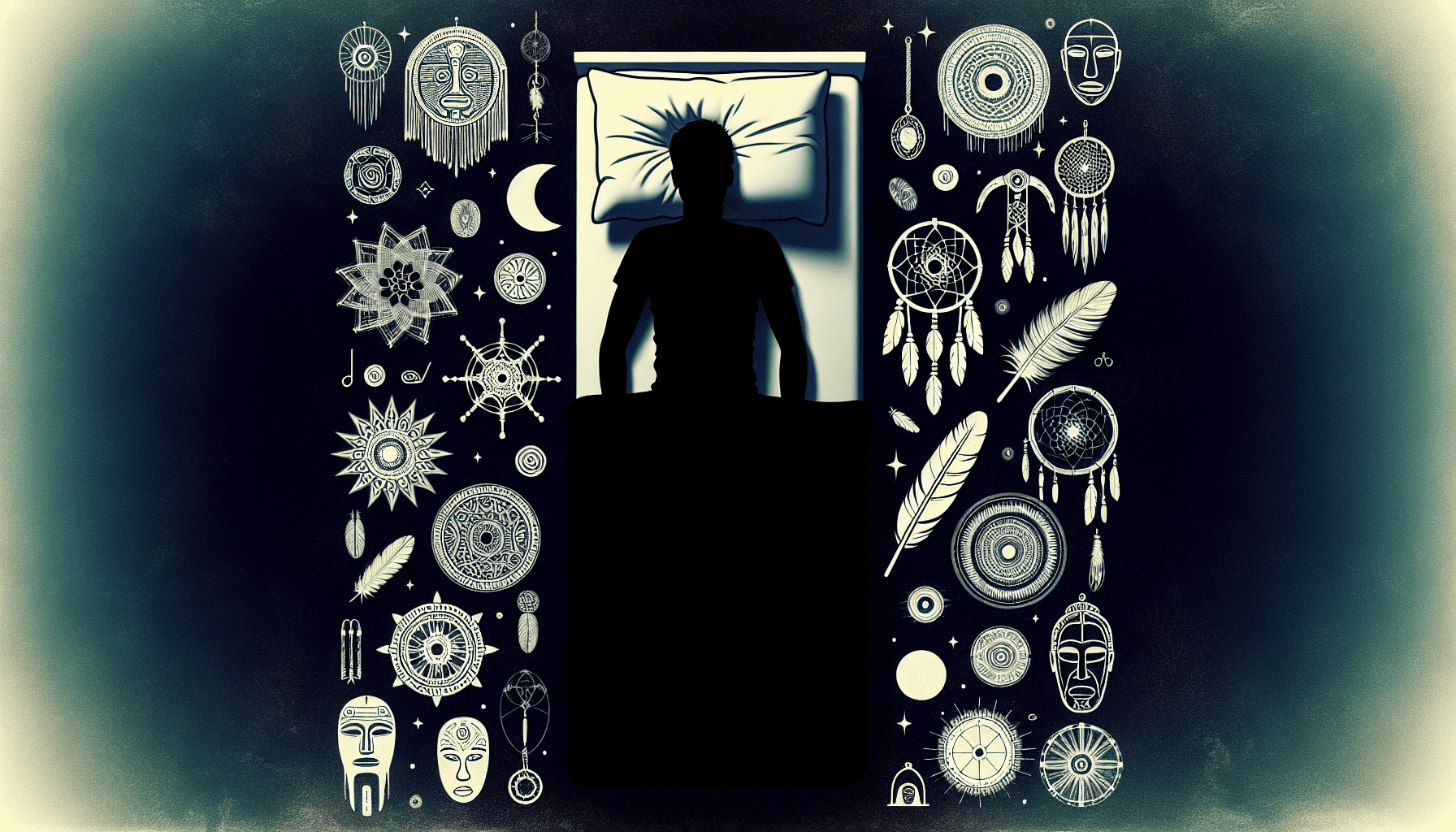
Cultural practices and rituals can play a significant role in shaping how sleep paralysis is experienced and perceived in different societies. Let’s explore some of the ways in which cultural traditions and beliefs influence the occurrence and interpretation of sleep paralysis.
Ancestral Worship and Spirit Communication
In certain cultures, ancestors are revered and honored through rituals and ceremonies aimed at establishing a connection between the living and the dead. Sleep paralysis may be viewed as a form of spirit communication or visitation from ancestors, signaling an important message or guidance for the individual experiencing it. Rituals to appease the spirits or seek ancestral blessings may be performed to ensure spiritual protection and harmony.
Dream Interpretation and Symbolism
Dreams hold special significance in many cultures, where they are often seen as reflections of subconscious thoughts, desires, or fears. Sleep paralysis episodes may be interpreted as symbolic messages conveyed through dream-like experiences. Certain symbols or themes that emerge during sleep paralysis, such as snakes, owls, or water, may carry cultural meanings and evoke specific interpretations based on cultural beliefs and traditions.
Shamanic Journeying and Altered States of Consciousness
Shamans and spiritual healers in various cultures undergo trance-like states or altered states of consciousness to communicate with the spiritual realm and harness healing energies. Sleep paralysis may be viewed as a natural extension of shamanic journeying, where the individual enters a liminal state between wakefulness and dreaming. Shamanic practices and rituals aimed at balancing energies and restoring harmony can be applied to individuals experiencing sleep paralysis to enhance spiritual protection and well-being.
Ritual Cleansing and Spiritual Protection
In some cultures, ritual cleansing or purifying ceremonies are performed to remove negative energies or entities that may be causing disturbances such as sleep paralysis. These rituals often involve the use of sacred herbs, incense, or prayers to cleanse the body, mind, and spirit of impurities and restore balance. Individuals seeking protection from malevolent forces or unwanted spiritual influences may turn to these traditional practices to safeguard against sleep paralysis and other perceived supernatural threats.
Coping Strategies and Self-Care Across Cultures
Coping with sleep paralysis can be challenging, especially when cultural beliefs and interpretations come into play. Finding effective strategies to manage sleep paralysis episodes and promote restful sleep is essential for overall well-being. Let’s explore some coping strategies and self-care practices that can help individuals across different cultures navigate the experience of sleep paralysis.
Mindfulness and Relaxation Techniques
Practicing mindfulness and relaxation techniques can help calm the mind and body during sleep paralysis episodes. Deep breathing, progressive muscle relaxation, and meditation can reduce feelings of panic and anxiety, allowing you to regain a sense of control over your thoughts and emotions. By focusing on the present moment and cultivating inner peace, you can create a safe space for yourself during sleep paralysis.
Sleep Hygiene and Routine
Maintaining good sleep hygiene and a consistent bedtime routine can improve the quality of your sleep and reduce the likelihood of experiencing sleep paralysis. Adequate rest, a comfortable sleep environment, and a regular sleep schedule can help regulate your sleep cycles and minimize disruptions during the night. Avoiding caffeine, alcohol, and heavy meals close to bedtime can also promote deeper, more restorative sleep.
Seeking Professional Help
If sleep paralysis episodes persist or significantly impact your daily life, it may be helpful to seek professional help from a healthcare provider or sleep specialist. A thorough evaluation of your sleep patterns, medical history, and overall health can help identify any underlying conditions contributing to sleep paralysis. Treatment options such as therapy, medication, or lifestyle changes may be recommended to address sleep-related issues and improve your overall well-being.
Connecting with Supportive Communities
Finding a supportive community or online group of individuals who share similar experiences with sleep paralysis can provide valuable insights, advice, and emotional support. Sharing your story, listening to others’ experiences, and learning coping strategies from fellow sufferers can help you feel less alone and more empowered in managing sleep paralysis. Connecting with others who understand and validate your experiences can be a powerful source of comfort and strength.

Conclusion
Sleep paralysis is a complex and multifaceted phenomenon that varies across different cultures based on beliefs, interpretations, and practices. Understanding how cultural factors influence the experience of sleep paralysis can shed light on the diverse ways in which individuals perceive and cope with this unsettling phenomenon. By exploring the rich tapestry of cultural beliefs, symbols, and rituals surrounding sleep paralysis, we can gain a deeper appreciation for the universal nature of sleep-related experiences and the unique cultural lenses through which they are viewed. Embracing cultural diversity and fostering cross-cultural dialogue can help break down barriers and promote greater awareness and acceptance of sleep paralysis experiences worldwide. Next time you find yourself in the grip of sleep paralysis, remember that you are not alone in navigating this enigmatic state of consciousness. Reach out, seek support, and explore the myriad ways in which different cultures interpret and cope with sleep paralysis. Your journey towards understanding and healing begins with an open mind and a willingness to explore the depths of your own consciousness.