What Are The Most Effective Techniques To End A Sleep Paralysis Episode?
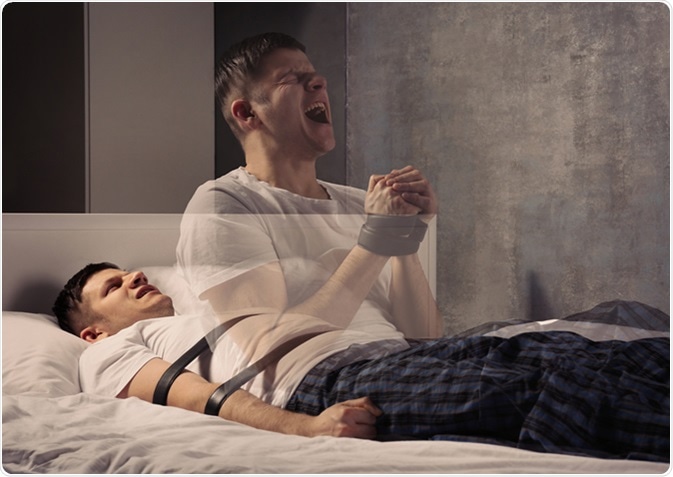
Sleep paralysis can be a terrifying experience when you are aware but unable to move or speak during the transition between waking up and falling asleep. If you suffer from sleep paralysis, you know how distressing it can be. Fortunately, there are techniques you can use to help end a sleep paralysis episode and regain control of your body and mind.
Understanding Sleep Paralysis
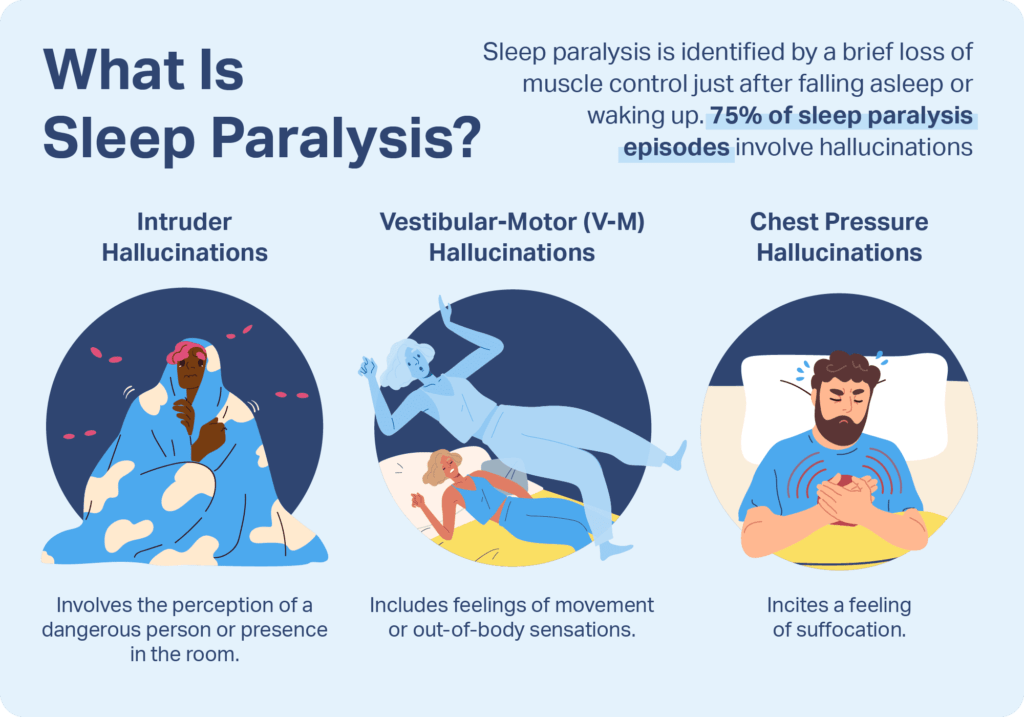
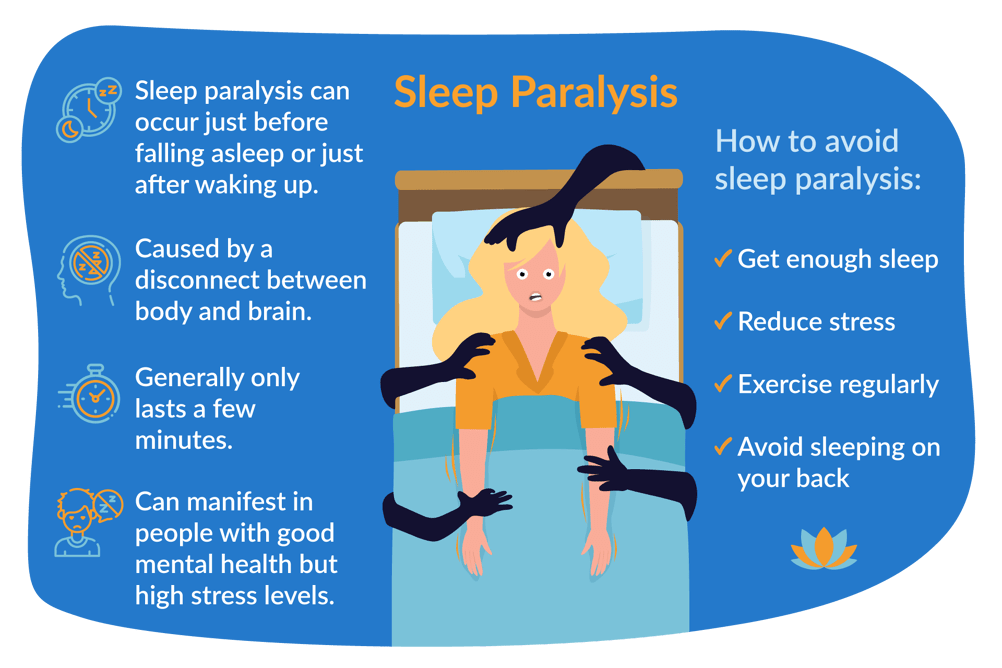
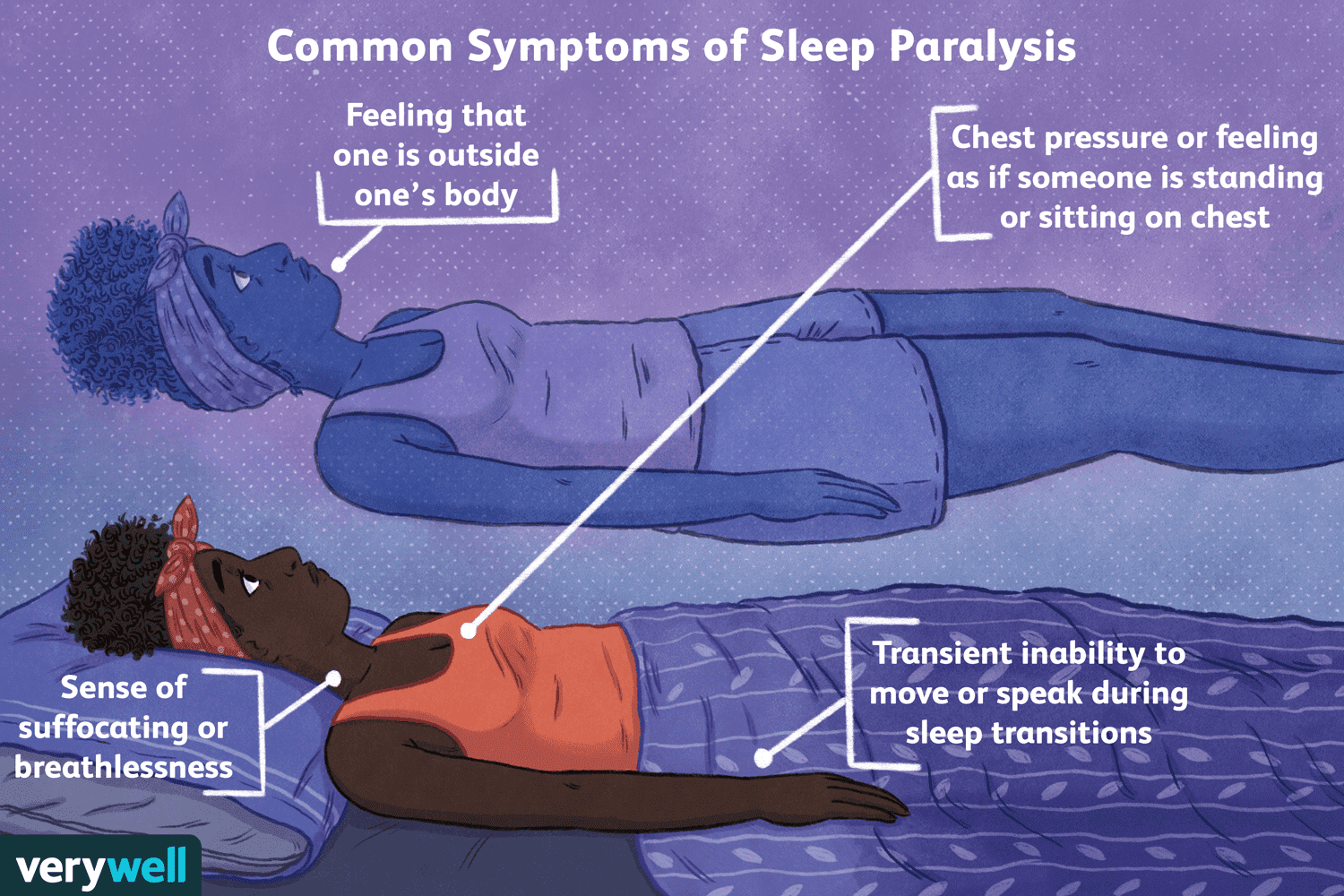
Sleep paralysis is a phenomenon where your mind is awake, but your body is still in a state of sleep. This can happen when falling asleep (hypnagogic) or waking up (hypnopompic). During sleep paralysis, you may feel a heavy weight on your chest, have difficulty breathing, and experience hallucinations. It is important to understand that sleep paralysis is a natural occurrence and is not harmful in itself.
What Causes Sleep Paralysis?
Sleep paralysis can be triggered by a disruption in your sleep cycle, stress, anxiety, sleep deprivation, irregular sleep patterns, narcolepsy, or certain medications. Understanding the root cause of your sleep paralysis can help you find effective ways to manage and prevent future episodes.
Techniques to End a Sleep Paralysis Episode
When you find yourself in the midst of a sleep paralysis episode, it is crucial to remain calm and remember that it is a temporary experience. Here are some effective techniques that can help you end a sleep paralysis episode and regain control of your body:
Stay Calm and Relax
The first step to ending a sleep paralysis episode is to stay calm and relax. Panicking can intensify the experience and make it more frightening. Take deep breaths and remind yourself that it is a temporary state that will pass soon.
Focus on Moving a Small Body Part
During sleep paralysis, try to focus on moving a small body part, such as your fingers or toes. By slowly trying to wiggle these extremities, you may gradually regain control over your body and end the episode.
Practice Visualization Techniques
Visualization techniques can be helpful in ending a sleep paralysis episode. Imagine yourself moving freely and breaking free from the immobility. Visualizing yourself in a different, more comfortable state can help your mind transition out of the paralysis.
Control Your Breathing
Controlled breathing can help calm your mind and body during a sleep paralysis episode. Focus on taking slow, deep breaths to regulate your heart rate and ease the feelings of panic or fear.
Break the Paralysis with a Mantra
Repeat a positive mantra or affirmation in your mind during sleep paralysis. Phrases like “I am safe,” “This will pass,” or “I am in control” can help shift your focus from fear to empowerment and aid in ending the episode.
Focus on Blinking Your Eyes
If you are experiencing visual or auditory hallucinations during sleep paralysis, try focusing on slowly blinking your eyes. This simple movement can help break the sensations and bring you back to wakefulness.
Change Your Sleep Position
If you are able to move during sleep paralysis, try changing your sleep position. Shifting your body slightly can sometimes help disrupt the episode and allow you to fully wake up.
Engage Your Senses
Engaging your senses, such as feeling the texture of your bedsheets, listening to calming music, or focusing on a specific smell, can help ground you in reality and lessen the intensity of the sleep paralysis episode.
Establish a Consistent Sleep Schedule
Maintaining a consistent sleep schedule can help prevent future episodes of sleep paralysis. Aim to go to bed and wake up at the same time every day, and create a relaxing bedtime routine to signal to your body that it is time to sleep.
Address Underlying Stress and Anxiety
Stress and anxiety can exacerbate episodes of sleep paralysis. Taking steps to manage your stress levels, such as practicing mindfulness, exercising regularly, and seeking professional help if needed, can help reduce the frequency of sleep paralysis episodes.
Seeking Professional Help
If you frequently experience sleep paralysis episodes that significantly impact your quality of life, it may be helpful to seek professional help. A sleep specialist or therapist can work with you to identify underlying causes of your sleep paralysis and develop a personalized treatment plan to improve your sleep health.
Consult a Sleep Specialist
A sleep specialist can conduct a thorough evaluation of your sleep patterns, behaviors, and overall health to determine the underlying causes of your sleep paralysis. They may recommend a sleep study or other diagnostic tests to gather more information.
Cognitive Behavior Therapy
Cognitive-behavioral therapy (CBT) can be an effective treatment for managing sleep paralysis and related anxiety. A therapist can help you identify triggers, develop coping strategies, and address any underlying psychological factors contributing to your episodes.
Medication
In some cases, medication may be prescribed to help manage sleep paralysis. This could include medications to regulate your sleep cycle, treat underlying conditions like narcolepsy, or address anxiety and stress that contribute to sleep paralysis episodes.
Lifestyle Changes
Making lifestyle changes, such as improving your sleep hygiene, reducing stress, and maintaining a healthy diet and exercise routine, can help minimize the frequency and intensity of sleep paralysis episodes.
Conclusion
Dealing with sleep paralysis can be a challenging experience, but there are effective techniques you can use to end an episode and regain control. By staying calm, practicing visualization, controlling your breathing, and engaging your senses, you can overcome sleep paralysis and improve your overall sleep health. Remember to address any underlying stress or anxiety, establish a consistent sleep schedule, and seek professional help if needed to manage sleep paralysis effectively. With the right strategies and support, you can navigate through sleep paralysis episodes and enjoy restful, rejuvenating sleep.