
What Are The Differences Between Sleep Paralysis And Night Terrors?
Understanding Sleep Paralysis and Night Terrors
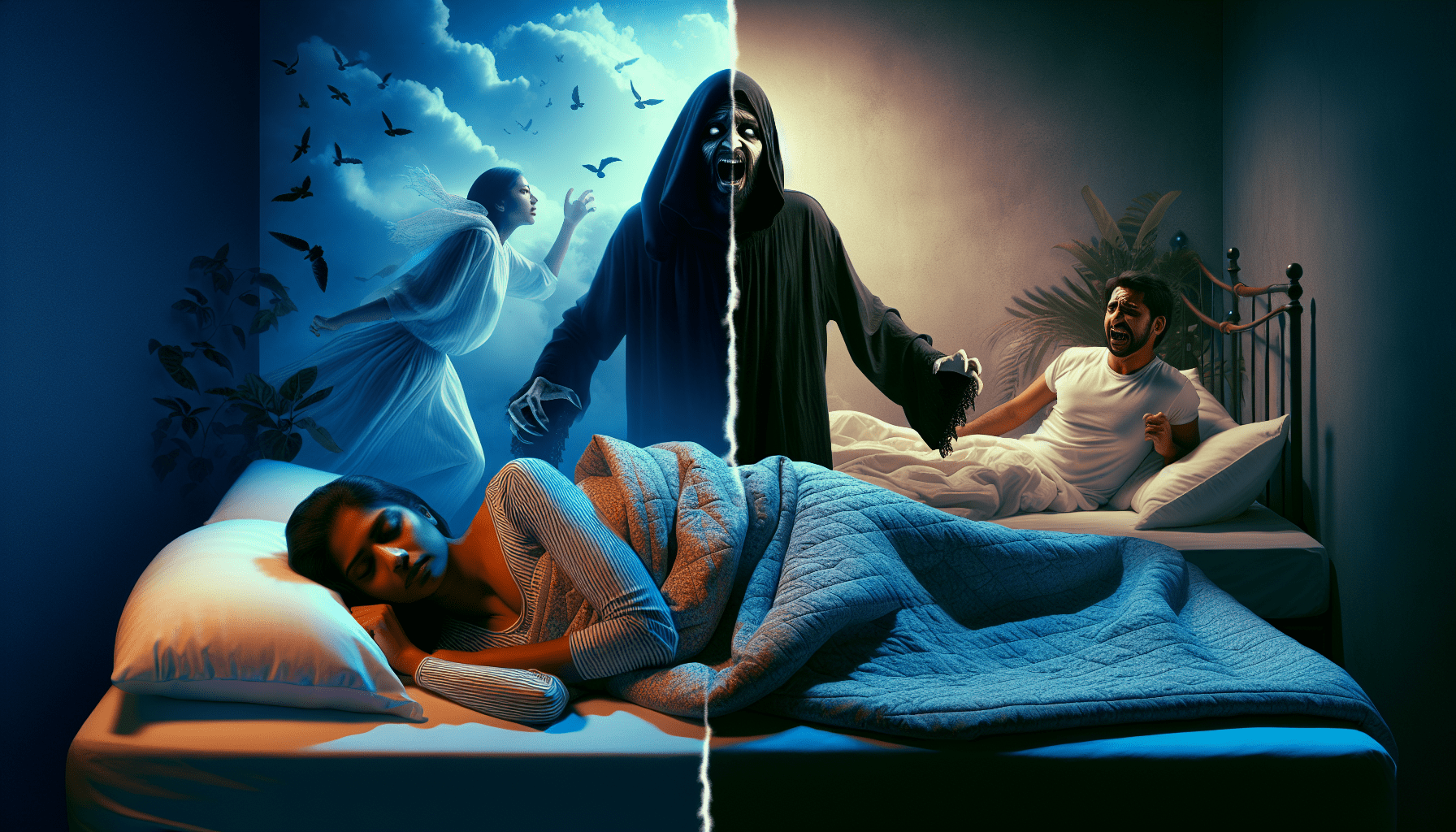
Sleep paralysis and night terrors are sleep disorders that can be frightening and confusing. It is important to understand the differences between the two to properly manage and address them. Let’s delve into the details of each condition and how they differ from one another.
What is Sleep Paralysis?
Sleep paralysis is a phenomenon that occurs when a person experiences a temporary inability to move or speak while falling asleep or waking up. It can be accompanied by hallucinations, which can often be terrifying. This experience can be incredibly scary, as you may feel like you are awake but unable to move or respond.
What Are Night Terrors?
Night terrors, on the other hand, are episodes of intense fear or terror that occur during deep sleep. Unlike nightmares, which happen during REM sleep and are often easily remembered, night terrors typically occur during non-REM sleep and are not easily recalled. You may scream, thrash around, or even sleepwalk during a night terror episode.

The Key Differences Between Sleep Paralysis and Night Terrors
Onset and Timing:
One of the key differences between sleep paralysis and night terrors is the timing of when they occur. Sleep paralysis typically happens during the transition between waking and sleeping, whereas night terrors occur during deep, non-REM sleep. This difference in timing can help differentiate between the two conditions.
Physical Symptoms:
While both sleep paralysis and night terrors can be accompanied by fear and anxiety, they often present with different physical symptoms. Sleep paralysis is characterized by the inability to move or speak, whereas night terrors may involve screaming, thrashing, or sleepwalking. Understanding the physical manifestations of each condition can help in identifying which one you may be experiencing.
Duration and Frequency:
Sleep paralysis episodes are usually brief, lasting anywhere from a few seconds to a few minutes. In contrast, night terror episodes can last longer, with the person often not fully waking up during the episode. Additionally, night terrors tend to occur in clusters, with multiple episodes happening over a period of time. Understanding the duration and frequency of these episodes can provide insight into which disorder you may be dealing with.

Coping Strategies for Sleep Paralysis and Night Terrors
Coping With Sleep Paralysis:
If you experience sleep paralysis, it is essential to remember that it is a common phenomenon that does not pose a threat to your physical health. To cope with sleep paralysis, try to focus on your breathing and remind yourself that the episode will pass. Creating a relaxing bedtime routine and maintaining good sleep hygiene can also help reduce the likelihood of experiencing episodes of sleep paralysis.
Coping With Night Terrors:
Night terrors can be particularly distressing, both for the person experiencing them and for their loved ones. If you suffer from night terrors, it is essential to create a safe sleep environment to prevent injury during episodes. Avoiding stress and maintaining a regular sleep schedule can also help reduce the frequency of night terrors. Seeking professional help from a sleep specialist or therapist may be beneficial in managing and addressing night terrors.
Seeking Professional Help for Sleep Disorders
When to Seek Help:
If you are experiencing frequent episodes of sleep paralysis or night terrors that are affecting your quality of life, it may be time to seek help from a healthcare professional. A sleep specialist can help diagnose the underlying cause of your sleep disorder and recommend appropriate treatment options. Ignoring sleep disorders can lead to fatigue, poor concentration, and other health issues, so it is essential to address them promptly.
Treatment Options:
Treatment options for sleep paralysis and night terrors vary depending on the underlying cause of the disorder. In some cases, making lifestyle changes such as improving sleep hygiene, managing stress, and avoiding stimulants before bedtime can help alleviate symptoms. For more severe cases, medication or cognitive-behavioral therapy may be recommended to address the sleep disorder effectively.
Importance of Professional Diagnosis:
It is crucial to seek a professional diagnosis for sleep disorders to rule out any other underlying health conditions that may be contributing to your symptoms. A thorough evaluation by a healthcare provider can help determine the best course of action for managing your sleep disorder. Remember, you are not alone in dealing with sleep disorders, and seeking help is a proactive step towards better sleep health.
Conclusion
In conclusion, understanding the key differences between sleep paralysis and night terrors is crucial in properly managing and addressing these sleep disorders. By recognizing the onset, physical symptoms, duration, and coping strategies for each condition, you can take proactive steps towards improving your sleep health. Remember, seeking professional help is essential if you are experiencing frequent episodes of sleep paralysis or night terrors. Take control of your sleep health and prioritize your well-being.