Welcome to an insightful article that explores the relationship between sleep paralysis and trauma responses. As you delve into the fascinating world of dreams and mental health, you will discover how sleep paralysis can be a manifestation of unresolved trauma. By shedding light on this phenomenon, you will gain a deeper understanding of how trauma can impact not only our waking moments, but also our experiences in the realm of sleep. Let’s embark on this journey together to uncover the mysteries of the mind and its connection to trauma responses. Have you ever experienced sleep paralysis? If so, you may have found it to be a terrifying and confusing experience. But did you know that sleep paralysis can also be connected to trauma responses? In this article, we will delve into the fascinating world of sleep paralysis and explore its role in trauma responses. Let’s uncover the connections and better understand how this phenomenon impacts individuals who have experienced trauma.
What is Sleep Paralysis?
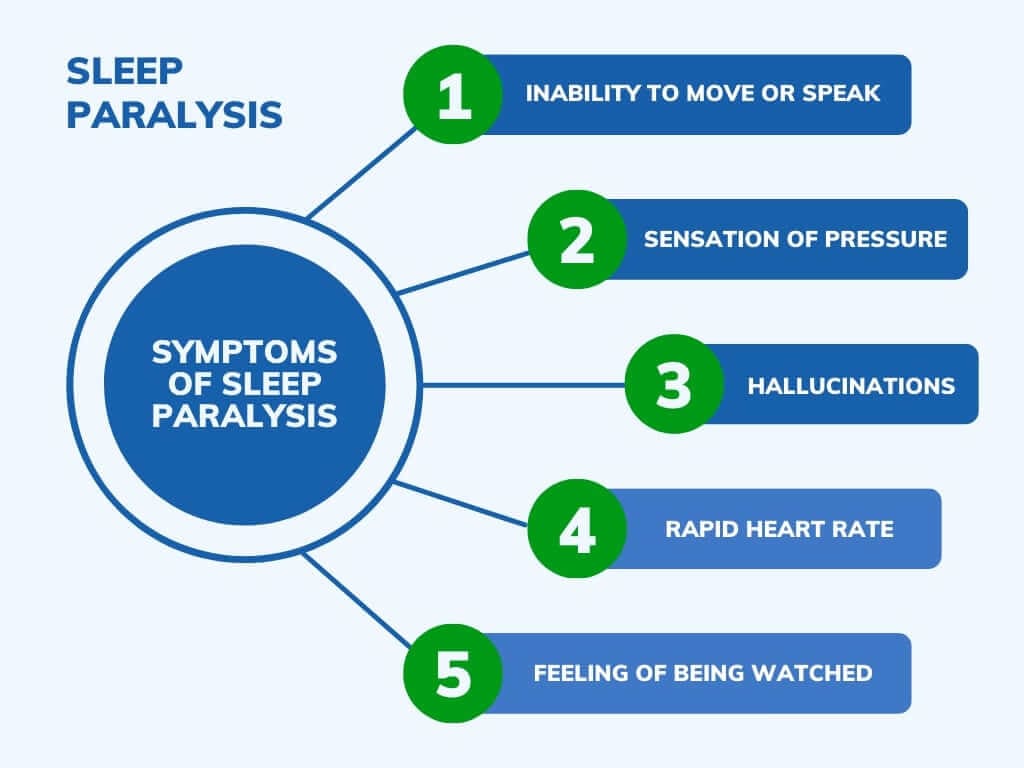
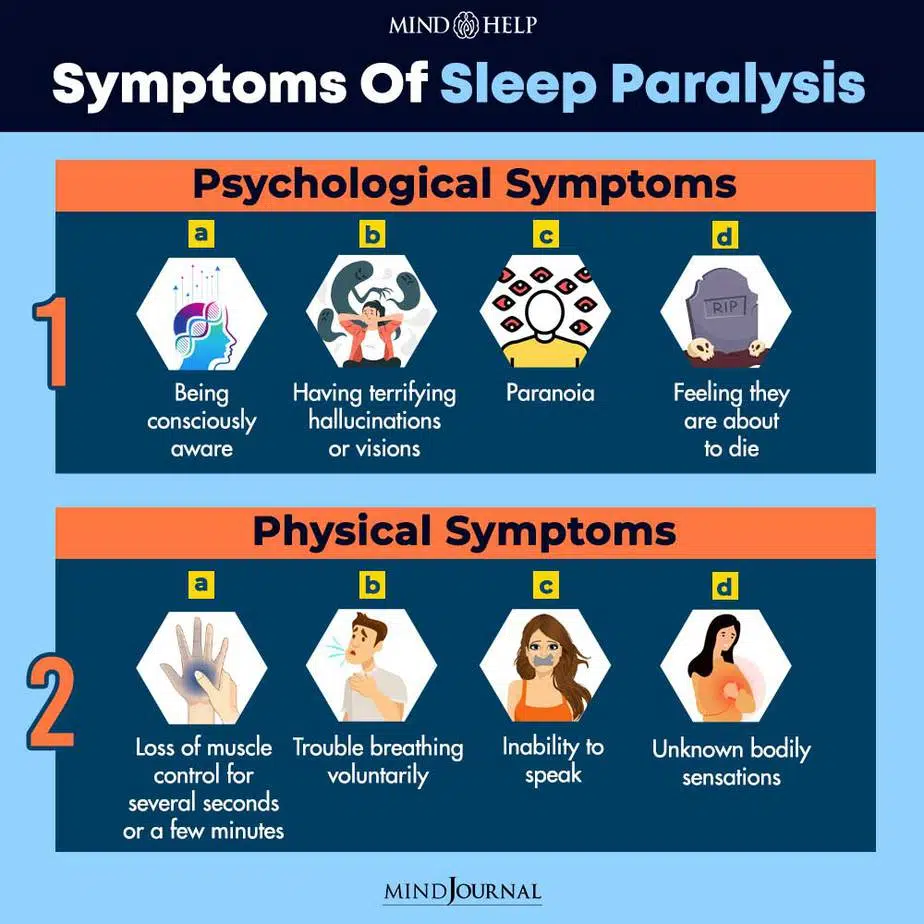
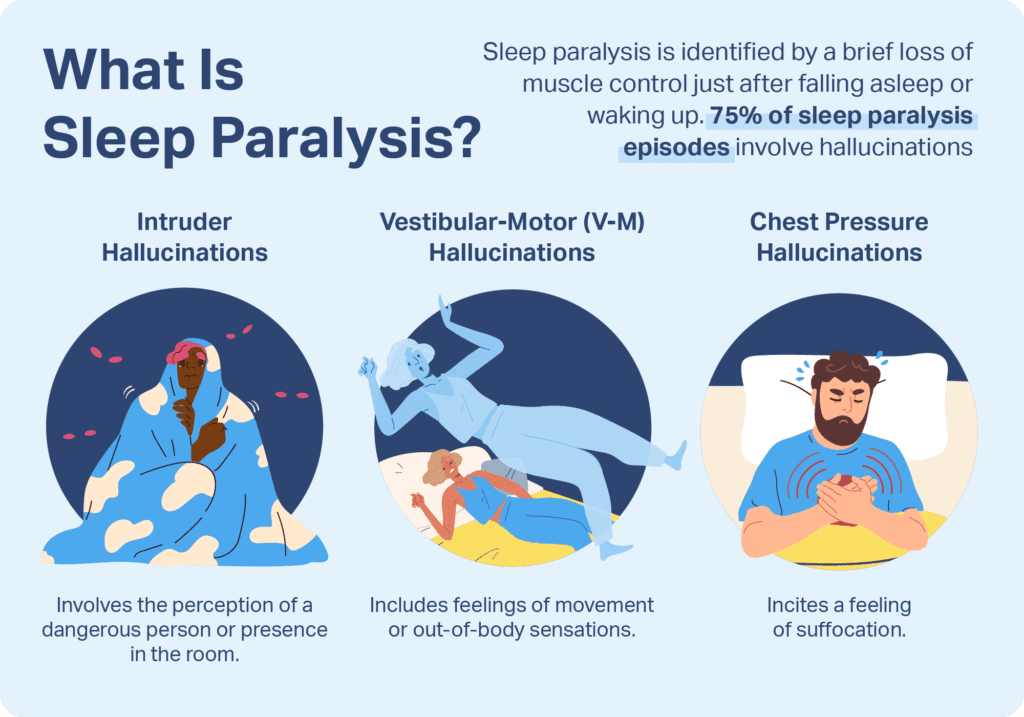
Sleep paralysis is a phenomenon that occurs when a person is either falling asleep or waking up. During sleep paralysis, the individual is unable to move or speak, even though they are conscious and aware of their surroundings. This experience can be incredibly frightening, as the person may feel as though they are trapped in their own body.
If you have ever experienced sleep paralysis, you know how unsettling it can be. The feeling of being unable to move or speak, coupled with hallucinations and a sense of impending doom, can leave a lasting impact on the individual.
Trauma Responses and Sleep Paralysis
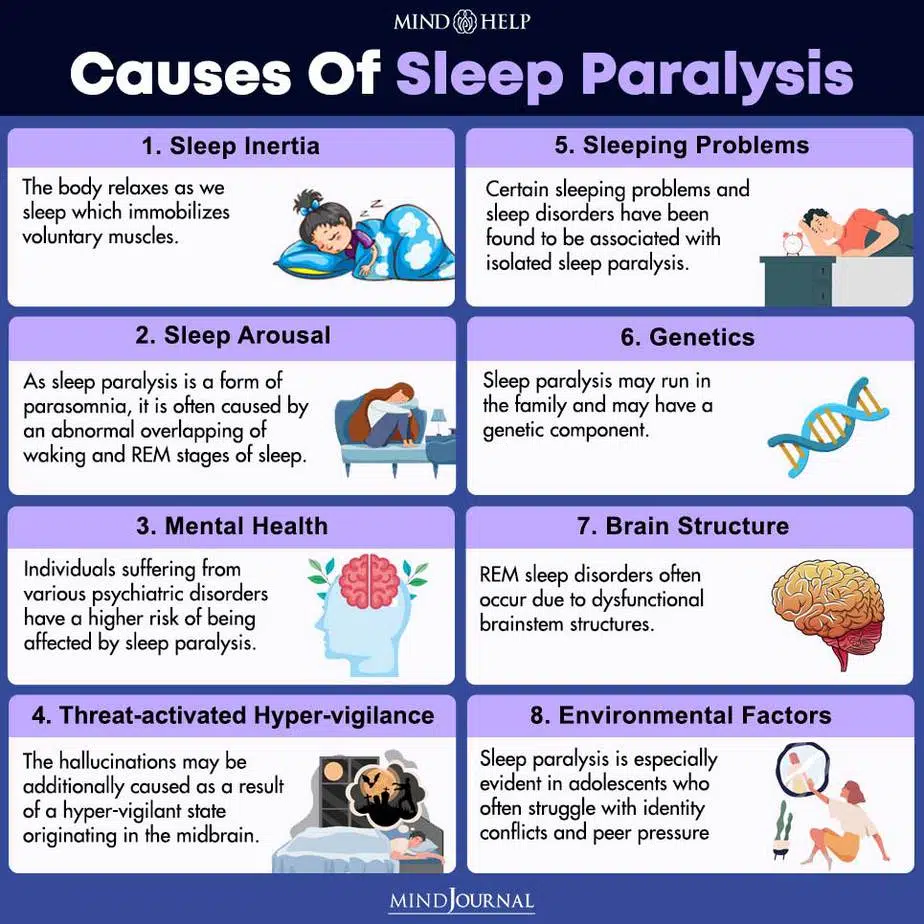
Now, let’s explore the connection between trauma responses and sleep paralysis. Research has shown that individuals who have experienced trauma, such as abuse, violence, or neglect, are more likely to experience sleep paralysis. This is because trauma can disrupt the brain’s normal sleep patterns and lead to disturbances in REM sleep, which is when sleep paralysis typically occurs.
If you have a history of trauma, you may be more susceptible to experiencing sleep paralysis. The heightened stress and anxiety that often accompany trauma can exacerbate sleep disturbances and increase the likelihood of experiencing sleep paralysis episodes.
The Impact of Trauma on Sleep Patterns
Trauma can have a profound impact on an individual’s sleep patterns. The emotional and psychological effects of trauma can lead to insomnia, nightmares, and other sleep disturbances. These disruptions can make it difficult for the individual to get restful and rejuvenating sleep, leading to further issues with sleep paralysis.
If you have experienced trauma, it’s important to recognize the effects it may have on your sleep patterns. Seeking support from a mental health professional can help you address these issues and develop coping strategies to improve your sleep quality.
The Role of the Brain in Trauma and Sleep Paralysis
Our brains play a crucial role in both trauma responses and sleep paralysis. When we experience trauma, our brains go into a heightened state of alertness, known as the fight-or-flight response. This response is designed to protect us from danger, but it can also lead to sleep disturbances and disruptions in REM sleep.
During sleep paralysis, the brain may become stuck between the REM and wakefulness stages, leading to the characteristic inability to move or speak. This phenomenon is believed to be caused by a malfunction in the brain’s mechanisms that control sleep and wakefulness, particularly in individuals with a history of trauma.
Coping Strategies for Managing Sleep Paralysis in Trauma Survivors
If you are a trauma survivor who experiences sleep paralysis, it’s essential to develop coping strategies to manage this phenomenon. Here are some tips to help you navigate sleep paralysis episodes and reduce their impact on your overall well-being.
Recognize Triggers
One of the first steps in managing sleep paralysis is to identify any triggers that may be contributing to your episodes. Trauma survivors may have specific triggers that lead to heightened stress and anxiety, which can in turn exacerbate sleep disturbances. By recognizing these triggers, you can take steps to address them and reduce their impact on your sleep patterns.
Establish a Bedtime Routine
Creating a consistent bedtime routine can help signal to your brain that it’s time to wind down and prepare for sleep. This routine can include relaxing activities such as reading, meditating, or taking a warm bath. By establishing a calming bedtime routine, you can promote a sense of relaxation and reduce the likelihood of experiencing sleep paralysis.
Practice Stress Management Techniques
Managing stress is essential for trauma survivors who experience sleep paralysis. Stress can exacerbate sleep disturbances and increase the likelihood of experiencing traumatic responses. By practicing stress management techniques such as yoga, deep breathing, or mindfulness, you can help regulate your body’s stress response and promote restful sleep.
Seek Professional Support
If you are struggling to cope with sleep paralysis and trauma responses, it may be beneficial to seek professional support. A mental health professional can help you navigate these challenges and develop coping strategies to improve your sleep quality and overall well-being. Therapy, medication, and other treatment options may be available to help you manage sleep paralysis and its impact on your life.
Create a Comfortable Sleep Environment
Creating a comfortable and relaxing sleep environment can help promote restful sleep and reduce the likelihood of experiencing sleep paralysis. Ensure that your bedroom is cool, dark, and quiet, and invest in a comfortable mattress and pillows. By creating a sleep-friendly environment, you can enhance your overall sleep quality and reduce the frequency of sleep paralysis episodes.
Conclusion
In conclusion, understanding the role of sleep paralysis in trauma responses can help trauma survivors navigate this challenging phenomenon. By recognizing the connections between trauma, stress, and sleep disturbances, individuals can develop coping strategies to manage sleep paralysis episodes and improve their overall well-being. If you have experienced trauma and struggle with sleep paralysis, remember that you are not alone. Seeking support from a mental health professional, practicing stress management techniques, and creating a comfortable sleep environment can help you navigate sleep paralysis and its impact on your life. Remember to prioritize self-care and reach out for help when needed. You deserve to feel safe and supported as you navigate the complexities of trauma and sleep paralysis.