Have you ever woken up in the middle of the night unable to move or speak, feeling an overwhelming sense of fear and anxiety? This unsettling experience is known as sleep paralysis, a phenomenon that affects millions of people worldwide. But fear not, as there are holistic approaches you can take to prevent sleep paralysis and improve your overall sleep quality. Let’s dive into some effective strategies that can help you avoid these frightening episodes and get a restful night’s sleep.
Understanding Sleep Paralysis
Sleep paralysis is a state in which your mind is awake, but your body is still asleep. During this state, you may experience hallucinations, such as seeing or hearing things that are not there, as well as intense feelings of fear and anxiety. Sleep paralysis typically occurs when you are transitioning between sleep stages, specifically when you are moving from REM (rapid eye movement) sleep to wakefulness.
What Causes Sleep Paralysis?
The exact cause of sleep paralysis is not fully understood, but it is believed to be linked to disrupted sleep patterns, irregular sleep schedules, stress, anxiety, and certain sleep disorders. Some individuals may also be more prone to experiencing sleep paralysis due to genetics or underlying health conditions. Understanding the potential triggers for sleep paralysis can help you take proactive steps to prevent it from occurring.
The Impact of Sleep Paralysis on Your Well-being
Experiencing sleep paralysis can have a significant impact on your mental and emotional well-being. The feelings of fear and helplessness that accompany sleep paralysis can lead to increased anxiety, stress, and sleep disturbances. Over time, recurrent episodes of sleep paralysis can interfere with your overall quality of life and contribute to chronic sleep problems. By addressing the underlying causes of sleep paralysis, you can minimize its negative effects and enjoy a more restful and rejuvenating sleep experience.
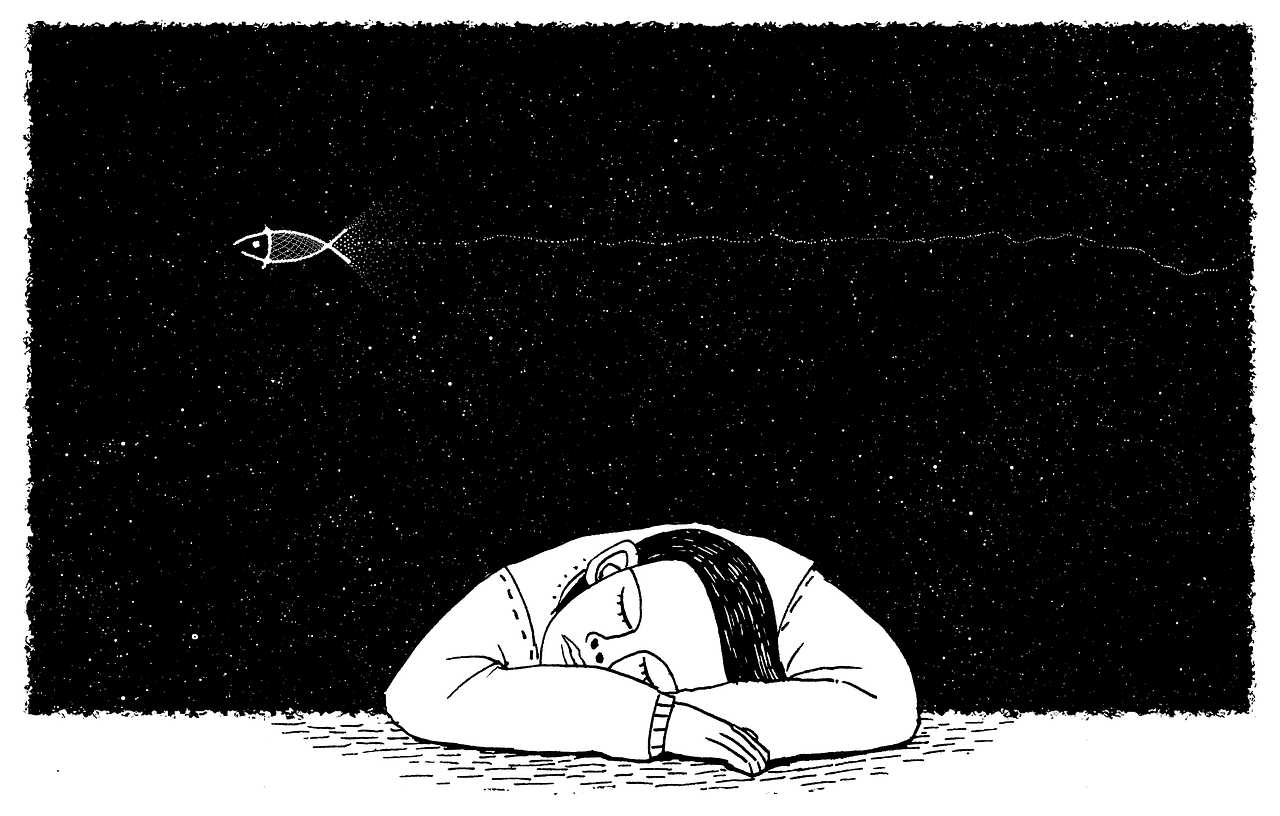
Holistic Approaches to Preventing Sleep Paralysis
Taking a holistic approach to preventing sleep paralysis involves addressing various factors that can contribute to this unsettling phenomenon. By incorporating lifestyle changes, stress management techniques, and relaxation practices into your daily routine, you can create a more conducive sleep environment and reduce the likelihood of experiencing sleep paralysis. Let’s explore some holistic strategies that can help you prevent sleep paralysis and improve your sleep quality.
Establishing a Consistent Sleep Routine
One of the most effective ways to prevent sleep paralysis is to establish a consistent sleep routine. Going to bed and waking up at the same time every day helps regulate your body’s internal clock, known as the circadian rhythm. By maintaining a regular sleep schedule, you can promote healthy sleep patterns and reduce the risk of disruptions that can trigger sleep paralysis.
Creating a Relaxing Sleep Environment
Creating a relaxing sleep environment can significantly impact your sleep quality and reduce the likelihood of experiencing sleep paralysis. Keep your bedroom cool, dark, and quiet, and invest in comfortable bedding and a supportive mattress to promote restful sleep. Limiting exposure to electronic devices, such as smartphones and computers, before bedtime can also help you unwind and prepare your body for sleep.
Practicing Stress-Relief Techniques
Stress is a common trigger for sleep paralysis, so incorporating stress-relief techniques into your daily routine can help prevent episodes of sleep paralysis. Engage in activities that promote relaxation, such as meditation, deep breathing exercises, yoga, or tai chi. Taking time to unwind before bed can calm your mind and body, making it easier to fall asleep and stay asleep throughout the night.
Maintaining a Healthy Diet and Exercise Routine
Eating a well-balanced diet and staying physically active can also play a role in preventing sleep paralysis. Avoid consuming heavy meals, caffeine, or alcohol close to bedtime, as these can disrupt your sleep patterns and trigger sleep paralysis. Regular exercise can help reduce stress, improve your mood, and promote restful sleep. Aim to incorporate at least 30 minutes of physical activity into your daily routine to support overall health and well-being.
Practicing Good Sleep Hygiene
Good sleep hygiene practices are essential for preventing sleep paralysis and promoting healthy sleep habits. Establish a relaxing bedtime routine that signals to your body that it’s time to sleep, such as taking a warm bath, reading a book, or listening to calming music. Avoid using electronic devices in bed, and create a sleep-friendly environment that encourages restful sleep. By practicing good sleep hygiene, you can optimize your sleep quality and reduce the risk of experiencing sleep paralysis.

Seeking Professional Help for Sleep Paralysis
If you continue to experience sleep paralysis despite implementing holistic strategies, it may be beneficial to seek professional help. Consulting with a healthcare provider or sleep specialist can help identify any underlying sleep disorders or health conditions that may be contributing to your sleep paralysis. A comprehensive evaluation can help determine the most appropriate treatment options and interventions to address your sleep concerns and improve your overall well-being.
Medical Treatments for Sleep Paralysis
In some cases, medical treatments may be recommended to manage sleep paralysis and address any underlying sleep disorders. This may include medications to regulate sleep cycles, treat anxiety or depression, or manage other health conditions that can impact sleep quality. Cognitive-behavioral therapy (CBT) may also be beneficial in helping you develop healthier sleep habits and address any negative thought patterns that contribute to sleep paralysis.
How a Sleep Specialist Can Help
A sleep specialist can provide valuable insights into your sleep patterns, help identify potential triggers for sleep paralysis, and recommend personalized treatment options based on your individual needs. By working closely with a sleep specialist, you can gain a better understanding of your sleep issues and receive the support and guidance you need to improve your sleep quality. With the right interventions and strategies in place, you can effectively manage sleep paralysis and enjoy a more restful and rejuvenating sleep experience.
In conclusion, sleep paralysis can be a frightening and unsettling experience, but taking a holistic approach to prevention can help you minimize its occurrence and improve your sleep quality. By addressing lifestyle factors, stress management techniques, and relaxation practices, you can create a more conducive sleep environment and reduce the risk of experiencing sleep paralysis. Establishing a consistent sleep routine, creating a relaxing sleep environment, practicing stress-relief techniques, maintaining a healthy diet and exercise routine, and practicing good sleep hygiene are all essential strategies for preventing sleep paralysis and promoting healthy sleep habits. If you continue to experience sleep paralysis despite implementing these holistic approaches, seeking professional help from a healthcare provider or sleep specialist can help identify underlying sleep disorders and health conditions that may be contributing to your sleep concerns. By taking proactive steps to address sleep paralysis and prioritize your sleep health, you can enjoy a more restful and rejuvenating sleep experience that leaves you feeling refreshed and recharged each morning.