
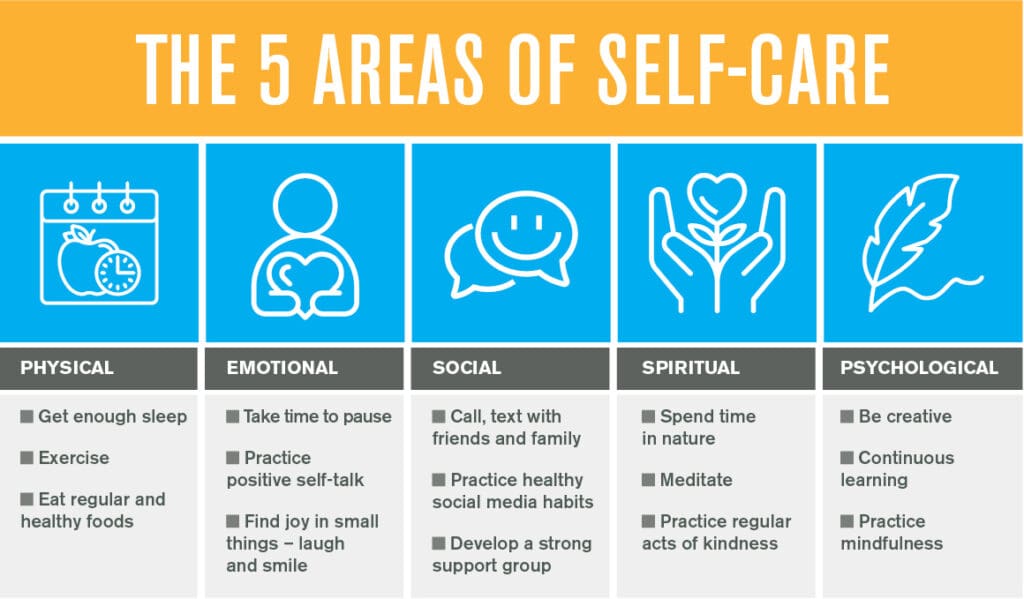
Welcome to a helpful guide on how to prioritize self-care while managing sleep paralysis. In this article, you will learn simple yet effective strategies on how to prioritize your well-being while navigating through episodes of sleep paralysis. By incorporating self-care practices into your daily routine, you can alleviate the symptoms of sleep paralysis and improve your overall quality of life. From practicing relaxation techniques to maintaining a healthy sleep schedule, you will discover practical tips to help you take care of yourself and manage sleep paralysis with ease. Let’s dive in and prioritize your self-care! Have you ever experienced the unsettling sensation of being awake but unable to move your body while asleep? This phenomenon, known as sleep paralysis, can be scary and disruptive to your daily life. In this article, we will discuss how you can prioritize self-care while managing sleep paralysis. Let’s explore some ways to take care of yourself and improve your overall well-being.
Understanding Sleep Paralysis
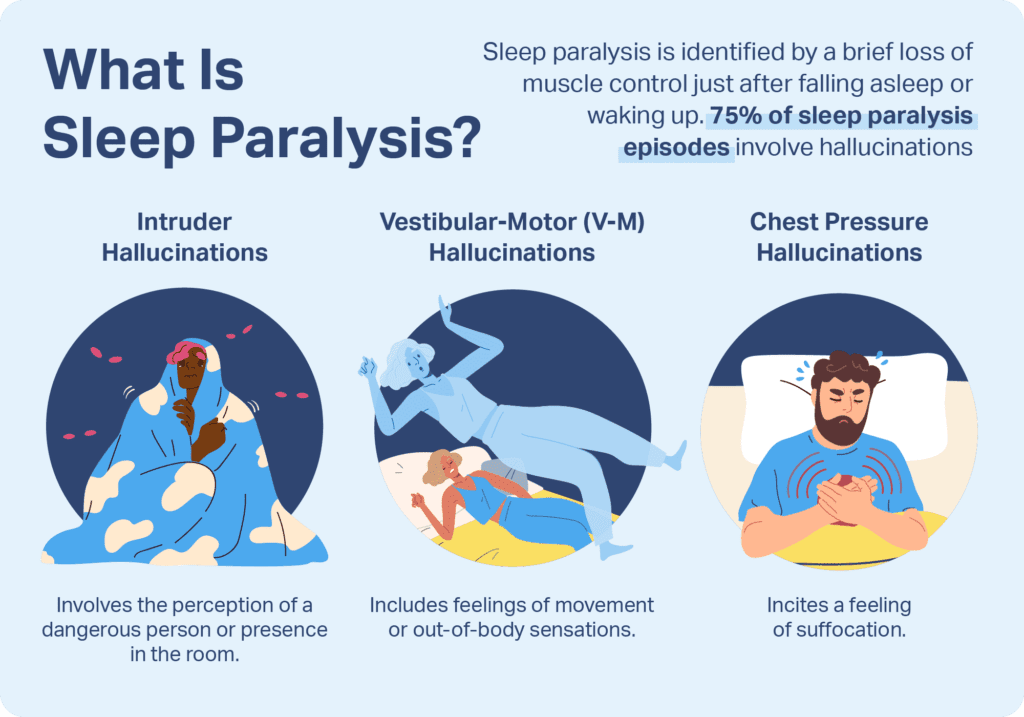
Sleep paralysis is a temporary inability to move or speak that occurs when you are waking up or falling asleep. It can last from a few seconds to minutes and may be accompanied by hallucinations or feelings of pressure on the chest. While the exact cause of sleep paralysis is not fully understood, factors such as stress, sleep deprivation, and irregular sleep patterns can contribute to its occurrence.
What Happens During Sleep Paralysis?
During sleep paralysis, your body is essentially stuck in a state between wakefulness and REM (rapid eye movement) sleep. In REM sleep, your body is typically immobile to prevent you from acting out your dreams. When sleep paralysis occurs, you are conscious but unable to move, leading to feelings of helplessness and fear. The hallucinations that sometimes accompany sleep paralysis can further intensify these sensations.
Prioritizing Self-care
Self-care is crucial for managing sleep paralysis and improving your quality of life. By taking care of your physical, emotional, and mental well-being, you can reduce the frequency and severity of sleep paralysis episodes. Here are some tips to prioritize self-care while dealing with sleep paralysis.
Establishing a Sleep Routine
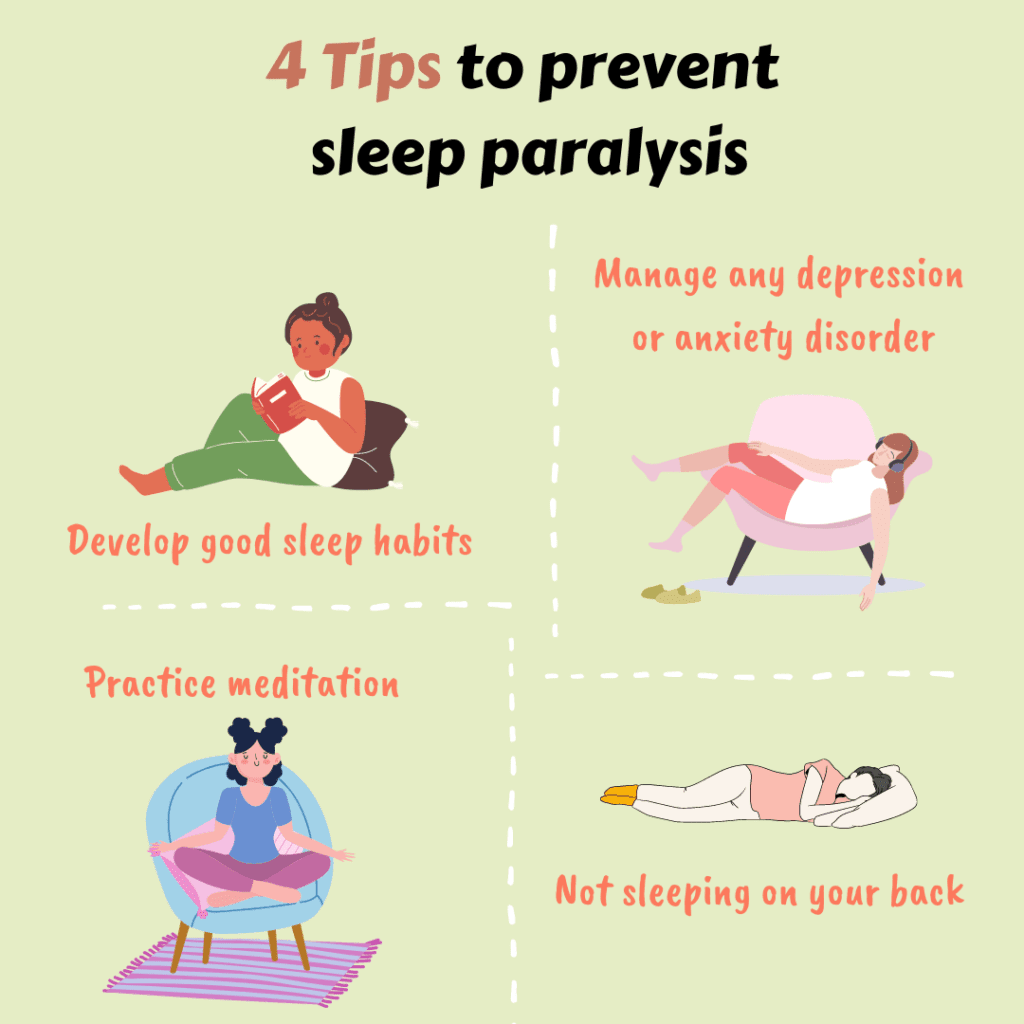
Creating a consistent sleep routine is essential for managing sleep paralysis. Make sure to go to bed and wake up at the same time every day, even on weekends. By establishing a regular sleep schedule, you can regulate your body’s internal clock and improve the quality of your sleep.
Avoiding Stimulants Before Bed
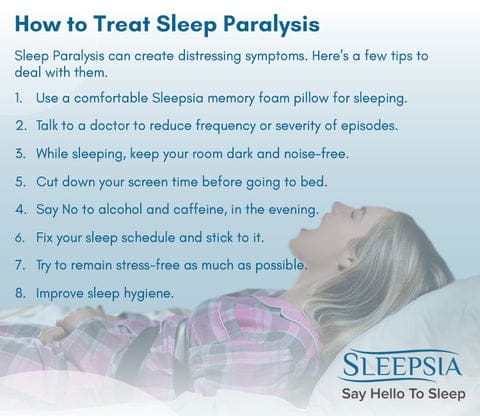
Stimulants such as caffeine, nicotine, and alcohol can disrupt your sleep and increase the likelihood of experiencing sleep paralysis. Try to avoid consuming these substances several hours before bedtime to promote restful sleep and reduce the risk of sleep paralysis episodes.
Practicing Relaxation Techniques
Relaxation techniques such as deep breathing, meditation, and progressive muscle relaxation can help reduce stress and anxiety, which are common triggers for sleep paralysis. Incorporate these practices into your daily routine to promote relaxation and mental well-being.
Creating a Comfortable Sleep Environment
Your sleep environment plays a significant role in the quality of your sleep. Make sure your bedroom is dark, quiet, and at a comfortable temperature to promote restful sleep. Invest in a comfortable mattress and pillows to support your body and reduce the likelihood of experiencing sleep paralysis.
Seeking Professional Help
If you are experiencing frequent or severe episodes of sleep paralysis, it may be beneficial to seek help from a healthcare professional. A sleep specialist can help identify underlying sleep disorders or conditions that may be contributing to your sleep paralysis and recommend appropriate treatment options.
Strategies for Managing Sleep Paralysis
While there is no cure for sleep paralysis, there are several strategies you can use to manage and cope with this phenomenon. By incorporating these techniques into your daily routine, you can reduce the impact of sleep paralysis on your life and improve your overall well-being.
Maintaining Good Sleep Hygiene
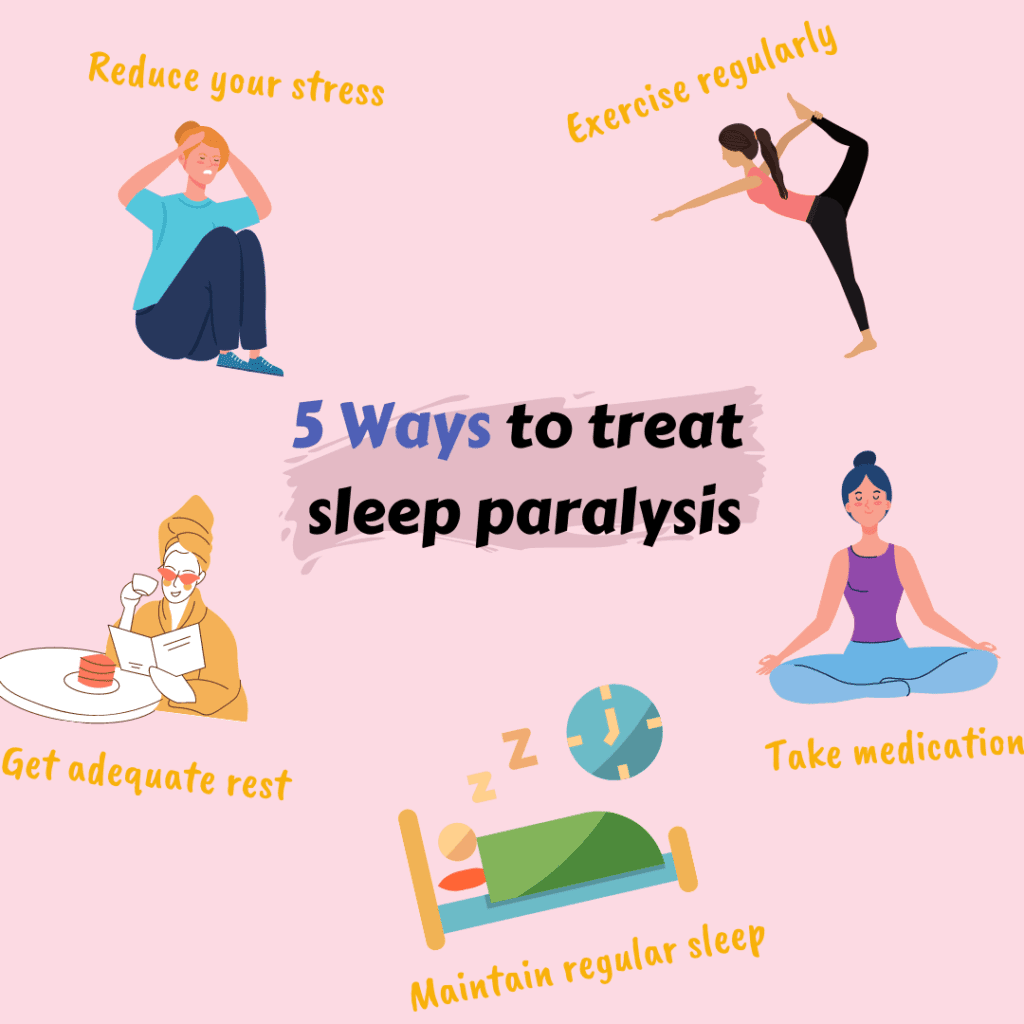
Good sleep hygiene practices are essential for managing sleep paralysis. Make sure to create a sleep-friendly environment, establish a relaxing bedtime routine, and avoid stimulants before bed. By following these guidelines, you can improve the quality of your sleep and reduce the occurrence of sleep paralysis episodes.
Staying Active During the Day
Regular physical activity can help improve the quality of your sleep and reduce stress, both of which can contribute to sleep paralysis. Aim to engage in at least 30 minutes of moderate exercise each day to promote better sleep and overall well-being.
Managing Stress and Anxiety
Stress and anxiety can exacerbate sleep paralysis, making it essential to manage these mental health issues effectively. Practice stress-reducing techniques such as mindfulness, yoga, or journaling to alleviate anxiety and promote relaxation. Additionally, consider seeking therapy or counseling to address underlying emotional concerns that may be contributing to your sleep paralysis.
Keeping a Sleep Journal
Keeping a sleep journal can help you track your sleep patterns, episodes of sleep paralysis, and potential triggers. Note down any factors that may have influenced your sleep paralysis, such as stress, sleep deprivation, or irregular sleep schedules. By identifying patterns and triggers, you can work towards managing and reducing the frequency of sleep paralysis episodes.
Trying Cognitive Behavioral Therapy (CBT)
Cognitive Behavioral Therapy (CBT) is a type of therapy that can help individuals change negative thought patterns and behaviors that may be contributing to sleep paralysis. By working with a therapist trained in CBT, you can learn coping strategies and relaxation techniques to manage your sleep paralysis effectively.
Self-care Strategies for Coping with Sleep Paralysis
In addition to seeking professional help and implementing management strategies, self-care practices can help you cope with and navigate the experience of sleep paralysis. By prioritizing self-care, you can improve your overall well-being and reduce the impact of sleep paralysis on your life.
Practicing Mindfulness and Meditation
Mindfulness and meditation are powerful practices that can help you stay present and calm during episodes of sleep paralysis. By focusing on your breath and grounding yourself in the present moment, you can reduce feelings of fear and helplessness that often accompany sleep paralysis.
Engaging in Relaxing Activities
Engaging in relaxing activities such as reading, listening to music, or taking a warm bath before bed can help you unwind and prepare your body for sleep. By incorporating these activities into your bedtime routine, you can promote relaxation and improve the quality of your sleep.
Setting Boundaries and Prioritizing Self-care
Setting boundaries with work, social commitments, and personal responsibilities is crucial for managing sleep paralysis. Make time for self-care activities that nourish your body, mind, and soul, such as exercise, hobbies, or spending time with loved ones. By prioritizing your well-being, you can reduce stress and improve your overall quality of life.
Connecting with Supportive People
Facing sleep paralysis can be a daunting experience, but you don’t have to navigate it alone. Reach out to supportive friends, family members, or online communities to share your experiences and seek guidance. Connecting with others who understand what you are going through can provide comfort and reassurance during challenging times.
Practicing Self-compassion and Acceptance
Practicing self-compassion and acceptance is essential for coping with sleep paralysis. Be kind to yourself during episodes of sleep paralysis and remind yourself that it is a temporary and manageable phenomenon. By accepting your experiences and treating yourself with compassion, you can reduce feelings of fear and anxiety associated with sleep paralysis.
Conclusion
Managing sleep paralysis can be challenging, but with the right strategies and self-care practices, you can reduce its impact on your daily life and improve your overall well-being. Prioritize self-care, seek professional help when needed, and implement coping strategies to navigate the experience of sleep paralysis effectively. Remember that you are not alone in this journey, and there are resources and support available to help you cope with sleep paralysis. By taking care of yourself and practicing self-compassion, you can navigate the challenges of sleep paralysis with resilience and strength.
