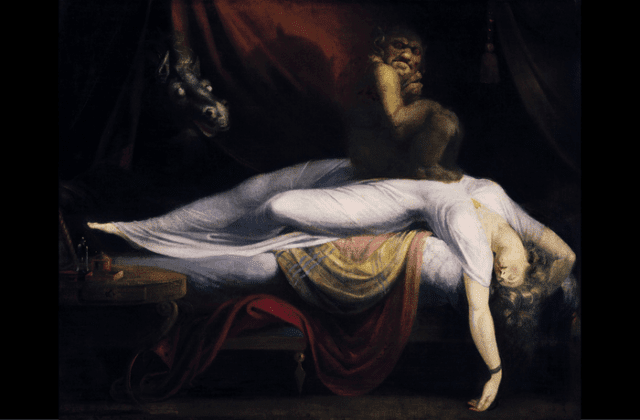
Sleep paralysis, a fascinating and perplexing phenomenon that has plagued humankind for centuries, continues to baffle scientists and researchers alike. As you descend into the realm of sleep, your consciousness is seemingly held captive, paralyzed while your mind remains acutely awake. Stories of eerie encounters with shadowy figures and malevolent entities during these episodes have led to the widespread belief in supernatural entities lurking in the corners of our perception. In this article, we will explore the enigmatic nature of sleep paralysis, dissecting its origins, mechanisms, and the psychological explanations behind the presence of these haunting apparitions. Join us as we delve into the depths of this enigmatic sleep disorder and emerge with a clearer understanding of the demons that manifest within the shadows.
Understanding Sleep Paralysis
Sleep paralysis is a fascinating and perplexing phenomenon that affects a significant portion of the population. It is a condition characterized by a temporary inability to move or speak while transitioning between sleep and wakefulness. Many individuals who experience sleep paralysis also report vivid hallucinations and a feeling of pressure or weight on the chest. In this article, we will delve into the definition of sleep paralysis, explore the stages of sleep, examine the potential causes and risk factors, discuss the symptoms and experiences associated with sleep paralysis, analyze cultural interpretations, explore scientific explanations, review research and studies, discuss coping mechanisms and management techniques, delve into paranormal and supernatural explanations, explore personal testimonies, examine the role of sleep paralysis in pop culture and media, and ultimately conclude with the importance of raising awareness and understanding while highlighting the potential for further research and exploration.
Definition of Sleep Paralysis
Sleep paralysis can be defined as a transient state of muscle weakness or inability to move that occurs during the transition between sleep or wakefulness. It is often accompanied by vivid hallucinations and a sense of being aware of one’s surroundings despite the inability to move or speak. This phenomenon typically lasts for a few seconds to a few minutes and is generally harmless, although it can cause fear and distress in those who experience it.
The Stages of Sleep
To understand sleep paralysis, it is essential to have a basic understanding of the stages of sleep. Sleep can be divided into two main categories: Rapid Eye Movement (REM) sleep and Non-Rapid Eye Movement (NREM) sleep. NREM sleep can further be divided into three stages, while REM sleep constitutes its own distinct stage.
During NREM sleep, the body gradually relaxes, and brain activity slows down. Stage 1 is the transition between wakefulness and sleep, characterized by light sleep. Stage 2 is a deeper stage of sleep, while Stage 3, also known as slow-wave sleep, is the deepest stage of NREM sleep. It is during slow-wave sleep that sleepwalking and night terrors typically occur.
REM sleep, on the other hand, is characterized by rapid eye movements, increased brain activity, and vivid dreaming. It is during this stage that muscle atonia, or temporary paralysis, occurs to prevent individuals from acting out their dreams. It is believed that sleep paralysis is a result of the overlap between wakefulness and REM sleep, causing the temporary paralysis to persist even as one regains consciousness.
What Causes Sleep Paralysis?
The exact causes of sleep paralysis remain elusive, but several factors have been identified as potential contributors. One such factor is sleep deprivation. Sleep deprivation or disruption of sleep patterns can increase the likelihood of experiencing sleep paralysis. Additionally, individuals with irregular sleep schedules, such as shift workers, may be more prone to sleep paralysis.
Another potential cause of sleep paralysis is sleep disorders, such as narcolepsy. Narcolepsy is a neurological disorder characterized by excessive daytime sleepiness and sudden, uncontrollable episodes of falling asleep. It is commonly associated with sleep paralysis and other disruptions in normal sleep patterns.
Psychological factors, such as stress and anxiety, can also contribute to the occurrence of sleep paralysis. Studies have shown a correlation between high levels of stress and an increased likelihood of experiencing sleep paralysis.
Risk Factors for Sleep Paralysis
While sleep paralysis can affect individuals of all ages and genders, certain factors may increase the risk of experiencing this phenomenon. Sleep paralysis tends to be more prevalent among adolescents and young adults, with the frequency of occurrence decreasing as individuals age.
Additionally, there is evidence to suggest that sleep paralysis may have a genetic component. Research has shown that individuals with a family history of sleep paralysis are more likely to experience episodes themselves.
Certain sleep-related disorders, such as sleep apnea and insomnia, have also been associated with an increased risk of sleep paralysis. Additionally, individuals with mental health conditions, such as depression and anxiety disorders, may be more prone to experiencing sleep paralysis.
Symptoms and Experiences
Inability to Move or Speak
One of the defining characteristics of sleep paralysis is the temporary inability to move or speak despite being conscious and aware of one’s surroundings. This complete muscular atonia or paralysis can be a distressing experience as individuals may feel trapped or immobilized.
During an episode of sleep paralysis, individuals may attempt to move their limbs or vocalize their distress but find themselves completely unresponsive. This inability to move can lead to feelings of helplessness and fear.
Hallucinations and Sensory Disturbances
In addition to the physical paralysis, sleep paralysis is often accompanied by vivid hallucinations and sensory disturbances. These hallucinations can be visual, auditory, or tactile in nature and can range from mildly unsettling to intensely terrifying.
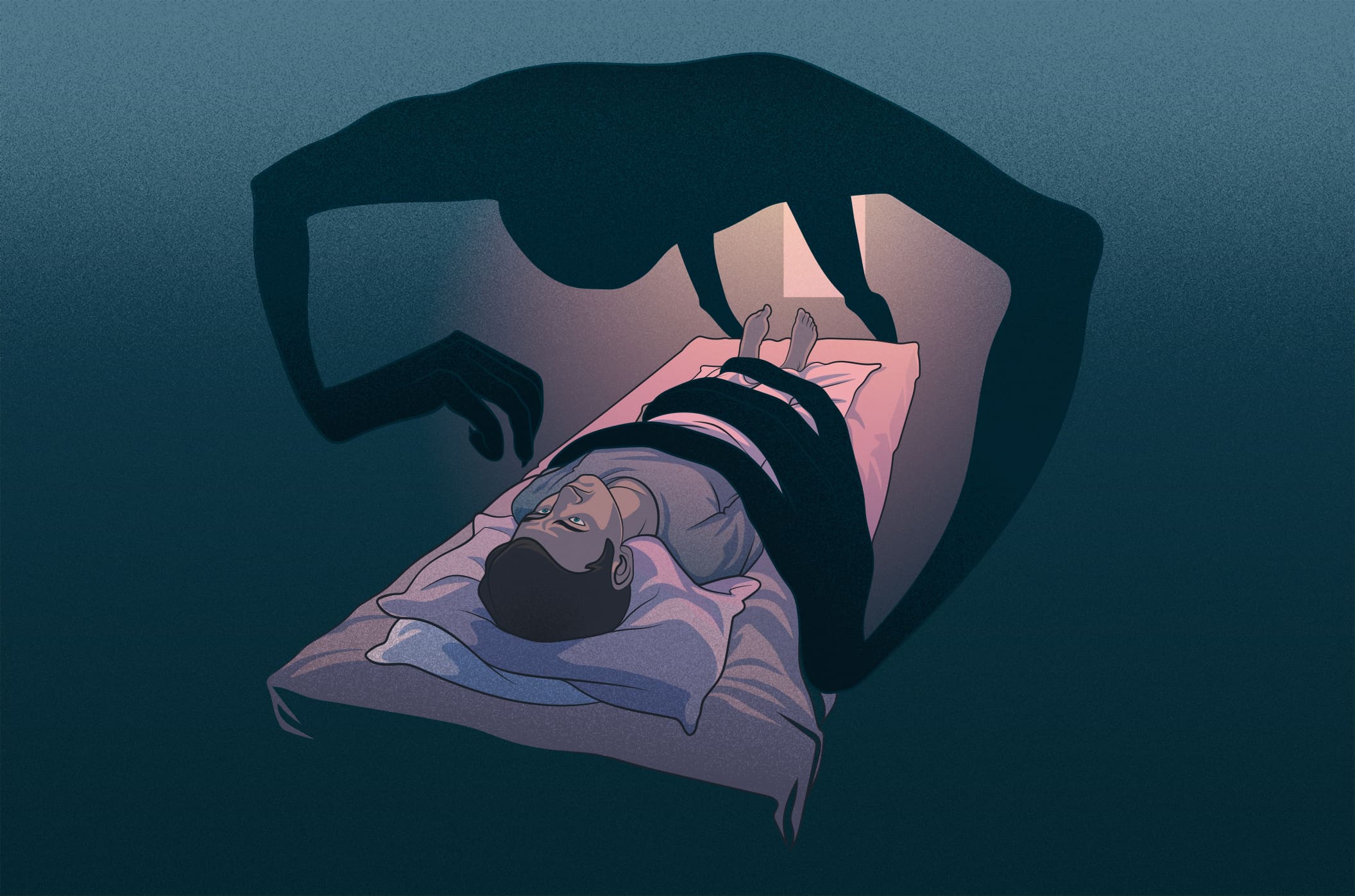
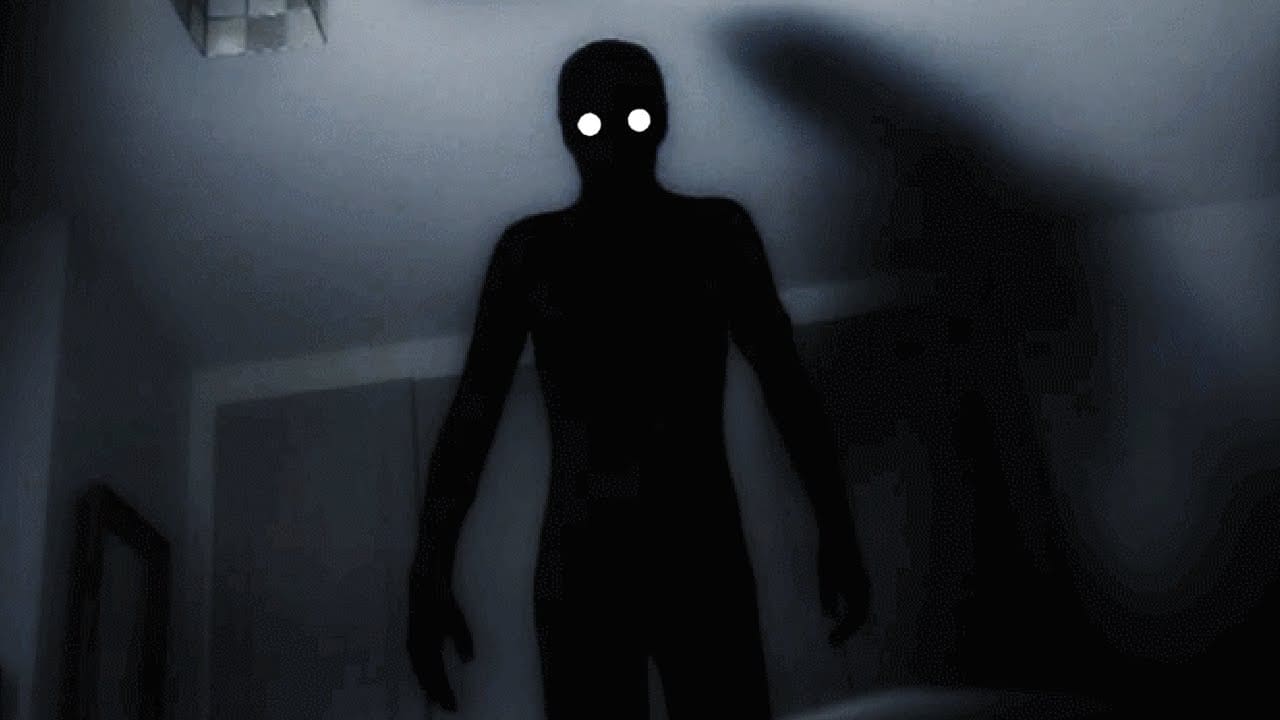
Visual hallucinations during sleep paralysis often involve the perception of shadowy figures, demons, or other supernatural entities. These figures may appear to be threatening or menacing, adding to the fear and distress experienced during sleep paralysis.
Auditory hallucinations can manifest as whispering voices, demonic growls, or other disturbing sounds. They can further contribute to the sense of fear and unease associated with sleep paralysis.
Finally, tactile hallucinations may involve a feeling of being touched, pushed, or crushed. Some individuals report feeling as though an invisible force is sitting on their chest or suffocating them. These sensations, although not physically real, can be incredibly vivid and distressing.
Sense of Pressure or Weight on the Chest
One of the most commonly reported experiences during sleep paralysis is a sense of pressure or weight on the chest. This phenomenon is often described as feeling as though there is an invisible force pressing down on the chest, making it difficult to breathe or causing a sensation of suffocation.
This sensation can be incredibly frightening and can exacerbate feelings of panic and distress during an episode of sleep paralysis. It is important to note, however, that despite the intense subjective experience, there is no actual physical pressure or weight on the chest during sleep paralysis.
Feeling of Suffocation
Similarly, many individuals who experience sleep paralysis also report a feeling of suffocation or being unable to breathe. This sensation may contribute to a sense of imminent danger and can intensify feelings of panic and anxiety.
The feeling of suffocation during sleep paralysis can mimic the symptoms of a panic attack, with some individuals even mistaking their experiences for life-threatening medical emergencies. However, it is crucial to recognize that the sensation of suffocation is a result of the disconnection between the brain’s awareness and the temporary paralysis of the body, rather than an actual inability to breathe or access oxygen.
Cultural Interpretations
Historical References to Sleep Paralysis
Sleep paralysis has long fascinated and perplexed individuals throughout history. References to sleep paralysis can be found in ancient texts and historical accounts, highlighting its enduring presence in human experience.
For example, ancient Egyptians believed sleep paralysis to be the work of a demon named “Muhlû,” who would sit on the chests of the sleeping and try to suffocate them. Similar references to nocturnal demons can be found in folklore from various cultures across the globe.
Folklore and Supernatural Beliefs
Sleep paralysis has been intertwined with supernatural beliefs and folklore in many cultures. These beliefs often center around malevolent spirits or demons that visit individuals while they sleep, causing paralysis and distress.
In Scandinavian folklore, sleep paralysis is attributed to creatures known as “mare” or “night-hags.” These mythical beings are said to sit on the chest of the sleeping, making it difficult to breathe and move. Similar folklore exists in African, Caribbean, and Southeast Asian cultures, where the phenomenon is associated with malevolent spirits or witches.
These cultural interpretations reflect the human instinct to explain and contextualize unfamiliar experiences within the framework of local beliefs and traditions.
Demons and Malevolent Entities in Different Cultures
The association between sleep paralysis and demonic entities is prevalent in various cultural beliefs and folklore. From the “Old Hag” in Western European traditions to the “Djinns” in Islamic mythology, there is a consistent theme of malevolent beings tormenting individuals during sleep paralysis.
These cultural interpretations highlight the deep-rooted fear and fascination humans have with the supernatural, especially when confronted with unexplained phenomena such as sleep paralysis. By attributing the experiences to demons or malevolent entities, individuals in these cultures sought to make sense of their encounters and find ways to protect themselves from perceived spiritual harm.
Scientific Explanations
Role of REM Sleep and Muscle Atonia
The scientific explanation for sleep paralysis lies in the intricacies of the sleep cycle, particularly the role of REM sleep and muscle atonia. During REM sleep, the brain is highly active, and vivid dreaming occurs. To prevent individuals from acting out their dreams and potentially harming themselves or others, the body undergoes a temporary state of paralysis known as muscle atonia.
In most cases, this muscle atonia seamlessly transitions into wakefulness, allowing individuals to regain movement and control. However, during sleep paralysis, the transition is disrupted, leaving individuals temporarily trapped in a paralytic state while retaining consciousness.
The overlap between wakefulness and REM sleep during sleep paralysis prevents the natural release from paralysis, resulting in a temporary inability to move or speak. This mechanism helps explain the physical aspect of sleep paralysis experienced by individuals.
Neurological and Psychological Theories
In addition to the role of REM sleep and muscle atonia, sleep paralysis has also been explored from neurological and psychological perspectives. Some researchers propose that sleep paralysis may result from a dysfunction in the brain’s mechanisms responsible for regulating wakefulness and sleep transitions.
Others suggest that psychological factors, such as stress and anxiety, may contribute to the occurrence of sleep paralysis. The intense emotional responses and hallucinations associated with sleep paralysis may be manifestations of the brain’s attempt to make sense of the disrupted sleep patterns.
While the exact mechanisms underlying sleep paralysis remain a topic of ongoing scientific investigation, these neurological and psychological theories provide valuable insights into understanding the condition.
Overlap with Other Sleep Disorders
Sleep paralysis is known to coexist with various other sleep disorders. One such disorder is narcolepsy, a neurological disorder characterized by excessive daytime sleepiness and the sudden onset of sleep attacks. Sleep paralysis occurs commonly in individuals with narcolepsy, often as they drift off to sleep or awaken from sleep.
Other sleep disorders, such as sleep apnea and insomnia, have also been linked to an increased likelihood of experiencing sleep paralysis. These overlapping conditions point to a complex interplay between sleep disruptions and the occurrence of sleep paralysis.
Understanding the relationship between sleep paralysis and other sleep disorders is crucial for healthcare professionals in accurately diagnosing and managing individuals who present with symptoms of sleep paralysis.
Research and Studies
Case Studies of Sleep Paralysis
Case studies have played a significant role in furthering our understanding of sleep paralysis. These in-depth examinations of individual experiences provide valuable insights into the phenomenological aspects of sleep paralysis as well as potential risk factors and management strategies.
Case studies have shed light on the diversity of symptoms and experiences associated with sleep paralysis. They have also highlighted the impact of cultural beliefs and personal narratives on an individual’s interpretation and coping mechanisms.
By documenting and analyzing individual cases, researchers can build a comprehensive picture of sleep paralysis, contributing to the broader body of literature on the subject.
Advancements in Sleep Paralysis Research
With advancements in technology, there has been a surge in sleep paralysis research over the past few decades. This research has utilized various methods, including surveys, questionnaires, and physiological measurements, to investigate different aspects of sleep paralysis.
Through these studies, researchers have been able to identify common themes, risk factors, and prevalence rates associated with sleep paralysis. They have also explored the relationship between sleep paralysis and other sleep-related disorders, shedding light on potential underlying mechanisms and shared pathophysiology.
Advancements in sleep paralysis research have not only deepened our understanding of the condition but have also raised awareness among healthcare professionals and the general population, helping to reduce stigma and misconceptions surrounding sleep paralysis.
Using Brain Imaging Technology to Understand Sleep Paralysis
Brain imaging technology, such as functional magnetic resonance imaging (fMRI) and electroencephalography (EEG), has provided researchers with a window into the neural processes associated with sleep paralysis. These techniques allow the visualization and analysis of brain activity during sleep paralysis episodes.
Studies utilizing brain imaging technology have revealed distinct patterns of brain activity during sleep paralysis, providing insights into the neural mechanisms underlying the condition. These findings have the potential to enhance our understanding of the relationship between sleep, consciousness, and the occurrence of sleep paralysis.
While this area of research is still relatively new, these advancements hold promise for uncovering the underlying neurobiological basis of sleep paralysis and paving the way for more targeted treatment approaches.
Managing and Coping
Creating a Consistent Sleep Routine
Establishing a consistent sleep routine is crucial for managing sleep paralysis and improving overall sleep quality. Going to bed and waking up at the same time every day can help regulate sleep-wake cycles, reducing the likelihood of experiencing disruptions such as sleep paralysis.
Creating a sleep-friendly environment is also essential. This can involve keeping the bedroom dark, quiet, and at a comfortable temperature. Additionally, avoiding stimulating activities or electronic devices before bed can help promote a more restful sleep.
Stress and Anxiety Reduction Techniques
Given the potential links between stress, anxiety, and sleep paralysis, employing stress and anxiety reduction techniques can be beneficial. These techniques can include practices such as mindfulness meditation, deep breathing exercises, and progressive muscle relaxation.
Engaging in regular physical activity may also help alleviate stress and anxiety, promoting better sleep and reducing the likelihood of experiencing sleep paralysis. It is important, however, to avoid exercising too close to bedtime, as this can stimulate the body and interfere with sleep.
Seeking Professional Help and Treatment Options
If sleep paralysis becomes a recurrent or distressing issue that significantly impacts one’s quality of life, seeking professional help is recommended. Healthcare professionals, such as sleep specialists or psychologists, can provide specialized guidance and tailor treatment options to address individual needs.
Treatment options for sleep paralysis may include cognitive-behavioral therapy (CBT) techniques, such as stimulus control therapy or sleep hygiene education. In some cases, medications may be prescribed to manage associated sleep disorders or alleviate anxiety symptoms.
Working closely with healthcare professionals can provide support and guidance to individuals experiencing sleep paralysis, ultimately improving their overall sleep and well-being.

Paranormal and Supernatural Explanations
Paranormal and Occult Perspectives
Sleep paralysis has long been associated with paranormal and occult explanations. Some individuals believe that sleep paralysis is not merely a physiological phenomenon but rather a spiritual encounter or interaction with otherworldly entities.
From a paranormal perspective, sleep paralysis is often considered a form of astral projection or out-of-body experience. Supporters of this view argue that during an episode of sleep paralysis, the soul temporarily separates from the physical body, allowing for encounters with supernatural beings or alternative dimensions.
While paranormal beliefs offer a unique lens through which to interpret sleep paralysis experiences, it is crucial to approach such interpretations with a critical and open mind, considering the broader scientific understanding of the condition.
Spiritual and Religious Interpretations
Religious and spiritual interpretations of sleep paralysis can vary across different belief systems. In some cultures, sleep paralysis is considered a spiritual awakening or an initiation into the realm of the divine. It may be perceived as a time of heightened spiritual awareness or the presence of a higher power.
Religious texts and teachings often offer explanations for sleep paralysis, attributing it to various spiritual forces, such as demonic entities or supernatural beings. These interpretations serve as frameworks within which individuals can understand and contextualize their experiences.
While spiritual interpretations can provide individuals with a sense of meaning and purpose, it is essential to acknowledge the diversity of beliefs and to respect both scientific and spiritual perspectives.
Exploring the Possibility of Demonic Entities
The association between sleep paralysis and demons or malevolent entities is prevalent in various cultural and religious beliefs. Some individuals genuinely believe that the experiences they have during sleep paralysis involve encounters with demonic beings or spirits.
These interpretations often stem from the vivid hallucinations and physical sensations associated with sleep paralysis. Individuals may attribute the presence of paranormal entities to the inability to move or the sensations of pressure and suffocation.
It is worth noting that these interpretations are deeply subjective and rooted in personal beliefs and experiences. The exploration of these possibilities can shed light on the complex relationship between perception, culture, and the human mind.
Personal Experiences and Testimonies
Individual Stories of Sleep Paralysis
Personal experiences and testimonies provide invaluable insights into the lived realities of sleep paralysis. Many individuals have shared their stories, documenting the various symptoms, sensations, and emotions associated with their sleep paralysis episodes.
These personal accounts highlight the diversity of experiences within the broader phenomenon of sleep paralysis. They serve to validate and provide support to others who may be going through similar experiences, reducing feelings of isolation and fear.
Additionally, personal stories can help researchers and healthcare professionals develop a deeper understanding of the impact of sleep paralysis on individuals’ lives, improving approaches to diagnosis, management, and support.
Common Themes and Similar Experiences
While individual experiences of sleep paralysis can vary widely, there are common themes and similarities that emerge across personal testimonies. The sensation of being unable to move or speak, the presence of terrifying hallucinations or entities, and the feeling of pressure on the chest or suffocation are recurrent themes in many accounts.
These shared experiences provide a sense of validation and reassurance to individuals who may have felt alone or isolated in their encounters with sleep paralysis. Recognizing these common themes can help individuals better understand and navigate their own experiences.
The Impact of Sleep Paralysis on People’s Lives
Sleep paralysis can have a profound impact on individuals’ lives, affecting their physical, emotional, and psychological well-being. The fear and distress associated with sleep paralysis can lead to disrupted sleep patterns, increased anxiety, and decreased overall quality of life.
Individuals who frequently experience sleep paralysis may develop fear and anxiety surrounding sleep, which can further perpetuate the occurrence of episodes. Daytime fatigue and cognitive impairments, such as difficulty concentrating or memory issues, may also arise as a result of disrupted sleep.
Understanding the impact of sleep paralysis on people’s lives is crucial for healthcare professionals and researchers in tailoring appropriate support and management strategies. By addressing the holistic needs of individuals affected by sleep paralysis, healthcare professionals can improve their overall well-being and sleep quality.
Pop Culture and Media Depictions
Sleep Paralysis in Movies and TV Shows
Sleep paralysis has become a popular topic in movies and television shows, often being depicted as a terrifying and suspenseful experience. The visual and auditory hallucinations, as well as the sensation of being trapped or unable to move, make sleep paralysis a suitable subject for horror and thriller genres.
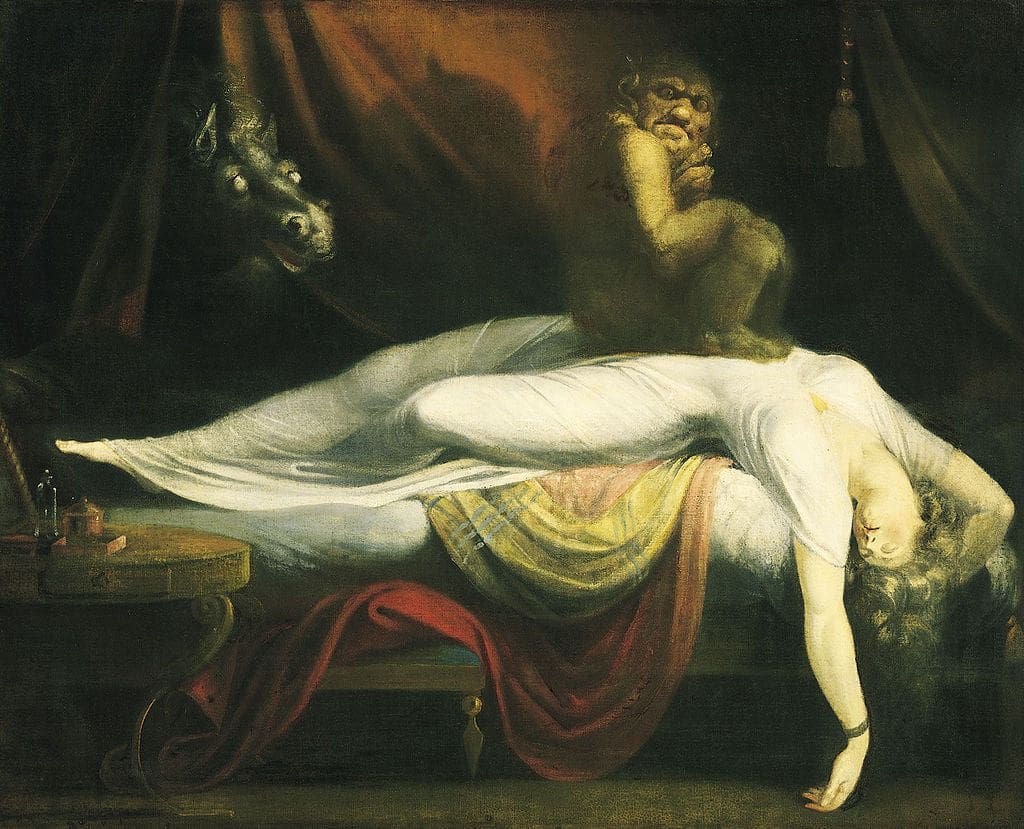
Films like “The Nightmare” and TV shows like “American Horror Story” have featured sleep paralysis and its associated themes prominently. These fictional portrayals, while dramatized for entertainment purposes, can help raise awareness about the condition and spark curiosity in viewers.
Literary References to Sleep Paralysis
Sleep paralysis has also made appearances in numerous works of literature. Authors such as Edgar Allan Poe and H.P. Lovecraft have incorporated sleep paralysis into their stories, often utilizing it as a narrative tool to create suspense and psychological intrigue.
These literary references serve to further disseminate knowledge about sleep paralysis and its associated experiences while showcasing the enduring fascination with this mysterious phenomenon.
Online Communities and Support Groups
The internet has given rise to online communities and support groups for individuals who experience sleep paralysis. These platforms provide a space for individuals to share their experiences, seek advice, and find support from others who can relate to their encounters.
Online communities and support groups allow individuals to connect with others who may have gone through similar experiences, reducing feelings of isolation and stigma. They also provide a platform for sharing coping strategies, discussing research and advancements, and raising awareness about sleep paralysis.
Conclusion
Sleep paralysis is a complex and intriguing phenomenon that continues to captivate researchers, healthcare professionals, and individuals who experience it. It is a temporary state of muscle weakness, often accompanied by vivid hallucinations and a sense of being unable to move or speak.
Understanding the definition, stages of sleep, causes, and risk factors for sleep paralysis is crucial for grasping the breadth and depth of this phenomenon. Exploring the symptoms and experiences associated with sleep paralysis sheds light on the physical and psychological aspects that individuals endure.
Cultural interpretations provide insight into the historical and contemporary beliefs surrounding sleep paralysis, while scientific explanations delve into the role of REM sleep, muscle atonia, and neurological and psychological theories. Through research and studies, advancements have been made in diagnosing, understanding, and treating sleep paralysis.
Managing and coping strategies involve creating consistent sleep routines, reducing stress and anxiety, and seeking professional help when necessary. The paranormal and supernatural interpretations highlight alternative viewpoints that some individuals hold, while personal experiences and testimonies provide a humanistic perspective.
Pop culture and media depictions have helped increase awareness of sleep paralysis, while the impact on people’s lives emphasizes the need for support and understanding. As our understanding of sleep paralysis evolves, there remains significant potential for further research and exploration, ultimately improving the lives of those affected by this enigmatic condition.