
Are you tired of experiencing sleep paralysis and the unsettling sensations that come with it? Look no further! In this article, we will explore the best practices for maintaining a healthy sleep schedule that can help reduce the occurrence of sleep paralysis. By establishing a consistent bedtime routine and practicing relaxation techniques, you can take control of your sleep and say goodbye to those dreaded moments of paralysis. Get ready to reclaim restful nights as we uncover the secrets to overcoming sleep paralysis.
Create a consistent sleep routine
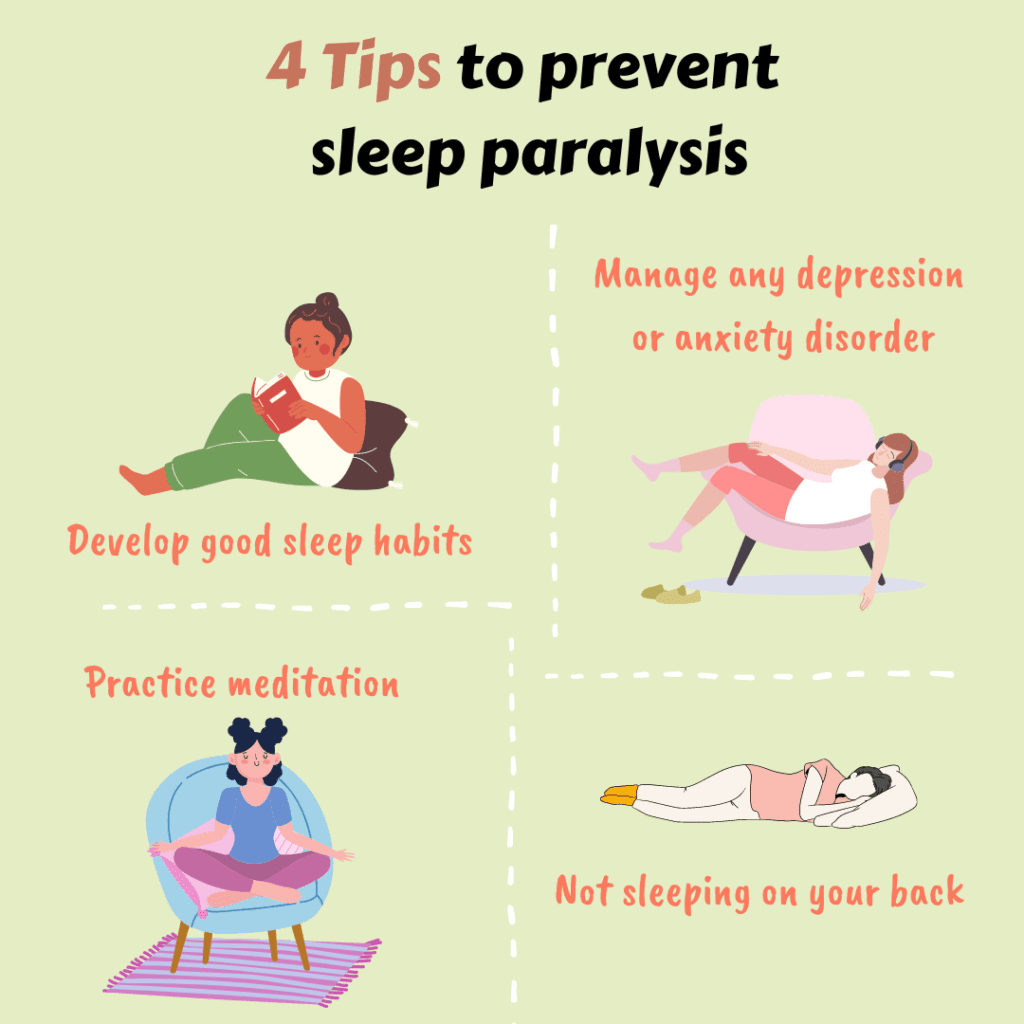
Establishing a regular sleep routine is key to reducing sleep paralysis. By going to bed and waking up at the same time every day, you can regulate your body’s internal clock and improve the quality of your sleep. Consistency is key when it comes to setting a bedtime, so try to choose a time that works for you and stick to it. This will train your body to recognize when it’s time to wind down and prepare for sleep.
Establish a regular bedtime
Bedtime routines are not just for children – they can greatly benefit adults too. By establishing a regular bedtime, you signal to your body that it’s time to relax and prepare for sleep. Set aside a specific time each night to begin your wind-down routine and make sure to avoid engaging in stimulating activities that could interfere with falling asleep. This might include avoiding electronics, engaging in relaxing activities like reading or taking a warm bath, and practicing relaxation techniques such as deep breathing or meditation.
Wake up at the same time every day
Just as having a consistent bedtime is important, waking up at the same time every day is equally beneficial. This helps regulate your body’s circadian rhythm, which plays a crucial role in determining when you feel sleepy and when you feel awake. Even on weekends or days off, try to stick to your regular wake-up time to maintain a consistent sleep schedule.
Avoid napping during the day
While napping can be tempting, especially when you haven’t had enough sleep the night before, it can disrupt your sleep schedule and make it harder to fall asleep at night. If you do need to catch up on sleep, opt for a short power nap of no more than 20 minutes in the early afternoon. This can help recharge your energy without interfering with your nighttime sleep.
Develop a wind-down routine before bed
Creating a wind-down routine before bed can signal to your body that it’s time to relax and prepare for sleep. This routine might include activities such as dimming the lights, listening to calming music or white noise, practicing relaxation exercises, or even writing in a journal to clear your mind. Find activities that help you unwind and make them a regular part of your evening routine.
Create a sleep-friendly environment
The environment in which you sleep can have a significant impact on the quality of your sleep. By making your bedroom a sleep-friendly space, you can improve your chances of experiencing uninterrupted sleep and reduce the likelihood of sleep paralysis episodes.
Keep your bedroom cool and dark
Creating a cool and dark environment in your bedroom can help promote better sleep. The ideal temperature for sleep is typically between 60 and 67 degrees Fahrenheit (15 to 19 degrees Celsius). Invest in curtains or blinds that block out external light sources and consider using eye masks if necessary.
Invest in a comfortable mattress and pillows
Your mattress and pillows play a crucial role in providing comfort and support while you sleep. Invest in a high-quality mattress that suits your preferred sleeping position and consider purchasing pillows that align with your specific needs. Finding the right level of comfort can make a significant difference in reducing the occurrence of sleep paralysis.
Reduce noise and distractions
Unwanted noise and distractions can disrupt your sleep and increase the likelihood of sleep paralysis episodes. Consider using earplugs, sound machines, or white noise apps to mask any disruptive sounds that might be present in your sleeping environment. Additionally, keeping your bedroom free from clutter and removing any electronic devices can create a more peaceful atmosphere conducive to sleep.
Make your bedroom a technology-free zone
The blue light emitted by electronic devices such as smartphones, tablets, and laptops can interfere with the production of melatonin, a hormone that regulates sleep. Create a technology-free zone in your bedroom by removing all electronic devices, or at the very least, keeping them out of reach and practice avoiding their use for at least an hour before bed. This will help your body produce adequate melatonin levels and prepare for a good night’s sleep.
Manage stress and anxiety
Stress and anxiety are common triggers for sleep paralysis. By implementing strategies to manage stress and anxiety, you can create a more relaxed state of mind and reduce the occurrence of sleep paralysis episodes.
Practice relaxation techniques before bedtime
Engaging in relaxation techniques before bedtime can help calm your mind and prepare your body for sleep. Deep breathing exercises, progressive muscle relaxation, and guided imagery are just a few examples of techniques that you can incorporate into your wind-down routine to promote relaxation.
Avoid stimulating activities before bed
Engaging in stimulating activities before bed can make it difficult for your mind and body to unwind. Avoid activities such as vigorous exercise, intense conversations, or watching thrilling or suspenseful TV shows or movies close to bedtime. Instead, opt for calming activities such as reading a book, listening to soothing music, or practicing gentle stretching or yoga.
Implement stress-reduction strategies
Finding effective ways to manage stress is crucial for reducing the occurrence of sleep paralysis. This might involve engaging in regular exercise, practicing mindfulness or meditation, seeking social support, or engaging in hobbies or activities that bring joy and relaxation.
Consider therapy or counseling
If stress and anxiety are persistent and significantly impacting your sleep, it may be beneficial to seek professional help. Therapy or counseling can provide you with the necessary tools and support to manage your stress and reduce the frequency of sleep paralysis. A mental health professional can help identify underlying causes and provide strategies tailored to your specific needs.
Maintain a healthy lifestyle
Maintaining a healthy lifestyle can positively impact your sleep quality and reduce the likelihood of sleep paralysis. By making conscious choices in terms of diet, exercise, and substance consumption, you can establish a balanced and beneficial routine.
Eat a balanced diet
The food you consume can influence your sleep patterns. Avoid consuming heavy meals close to bedtime as they can make it uncomfortable to sleep. Opt for a balanced diet that includes fruits, vegetables, whole grains, and lean proteins. Additionally, try to limit your intake of sugary and processed foods, as they can negatively impact your sleep quality.
Avoid caffeine and large meals close to bedtime
Caffeine is a stimulant that can interfere with falling asleep and staying asleep. Be mindful of your caffeine intake, especially close to bedtime. Limit or avoid drinking caffeinated beverages such as coffee, tea, and energy drinks in the late afternoon and evening. Additionally, avoid consuming large meals within a few hours of bedtime, as they can cause discomfort and disrupt your sleep.
Exercise regularly
Regular exercise has been shown to improve sleep quality and reduce the occurrence of sleep disorders. Engaging in physical activity during the day can promote a sense of tiredness when it’s time to go to bed. Aim for at least 30 minutes of moderate-intensity exercise most days of the week, but be sure to finish your workout at least a few hours before bedtime to give your body time to wind down.
Limit alcohol consumption
While alcohol may initially induce feelings of relaxation, it can negatively affect your sleep quality. Alcohol disrupts the natural sleep cycles and can lead to fragmented sleep and increased chances of experiencing sleep paralysis. Limit your alcohol consumption, especially in the hours leading up to bedtime, to ensure a more restful night’s sleep.
Limit exposure to screens before bed
Exposure to screens, particularly the blue light emitted by electronic devices, can interfere with melatonin production and disrupt your sleep-wake cycle. To reduce the chances of sleep paralysis, it’s important to limit your exposure to screens before bed.

Avoid using electronic devices before sleep
The stimulating content and blue light emitted by electronic devices can hinder your ability to fall asleep. Make it a habit to avoid using screens such as smartphones, tablets, and laptops at least an hour before bed. Instead, engage in relaxing activities such as reading a book, practicing mindfulness, or enjoying a calming hobby.
Use blue-light filters on devices
If avoiding screens before bed is challenging, consider using blue-light filters or night mode settings on your devices. These features reduce the amount of blue light emitted, making it easier for your body to wind down and prepare for sleep.
Read a book instead of watching TV or using your phone
Replacing screen time with reading a book can be a great alternative for winding down before bed. Reading stimulates the mind while also promoting relaxation. Choose something light-hearted or soothing to read, as this can help calm your mind and transition into a more restful state.
Establish a bedtime routine
A bedtime routine is not just for children; it can be equally beneficial for adults. By establishing a consistent routine before bed, you can signal to your body that it’s time to relax and prepare for sleep.
Take a warm bath or shower
Taking a warm bath or shower before bed can help relax your muscles and create a sense of calm. The rise in body temperature during the bath or shower followed by the subsequent drop in temperature afterward can promote sleepiness.
Practice relaxation exercises
Incorporating relaxation exercises into your bedtime routine can help calm your mind and prepare your body for sleep. Deep breathing, progressive muscle relaxation, and guided imagery are a few examples of techniques that can promote relaxation.
Listen to soothing music or white noise
Listening to soothing music or white noise can help drown out any disruptive sounds and create a more peaceful sleep environment. Choose calming melodies or nature sounds that can help relax your mind and lull you into a restful sleep.

Write in a journal to clear your mind
If you find that racing thoughts or worries keep you awake at night, try writing in a journal before bed. This can help you express your thoughts and concerns, clearing your mind and providing a sense of closure before sleep. By processing your thoughts on paper, you can minimize the chances of negative rumination disturbing your sleep.
Create a comfortable sleep environment
Creating a comfortable sleep environment is essential for reducing sleep paralysis episodes. Pay attention to factors such as mattress and pillow support, light levels, temperature, and overall cleanliness.
Ensure your mattress and pillows are supportive
A supportive mattress and pillows that suit your sleeping style are crucial for ensuring optimal comfort while you sleep. Invest in a high-quality mattress that provides adequate support for your body and select pillows that align with your specific needs, such as providing neck and spine alignment.
Use blackout curtains or a sleep mask to block out light
External light sources, such as streetlights or early morning sunlight, can disrupt your sleep and increase the likelihood of sleep paralysis. Invest in blackout curtains or shades to block out unwanted light. Alternatively, use a sleep mask that covers your eyes completely and creates a darkness conducive to quality sleep.
Invest in comfortable bedding and pajamas
The feel of your bedding and pajamas can greatly impact your sleep quality. Opt for breathable fabrics that promote airflow and help regulate body temperature, ensuring that you’re neither too hot nor too cold during the night. Investing in quality bedding and comfortable sleepwear can enhance your overall sleep experience.
Keep the temperature in your bedroom optimal for sleep
Maintaining a proper sleep environment also means regulating the temperature in your bedroom. The ideal temperature for sleep is typically between 60 and 67 degrees Fahrenheit (15 to 19 degrees Celsius). Experiment with different temperatures and bedding until you find the combination that provides the most comfortable and restful sleep for you.
Avoid stimulating substances
Certain substances can disrupt your sleep patterns and increase the chances of experiencing sleep paralysis episodes. By being mindful of what you consume, you can create a sleep-friendly environment that promotes restful sleep.

Limit or avoid caffeine and nicotine
Caffeine and nicotine are stimulants that can interfere with your ability to fall asleep and stay asleep. Limit your consumption of caffeinated beverages such as coffee, tea, and energy drinks, especially in the afternoon and evening. Similarly, avoid nicotine-containing products, as nicotine is known to disturb sleep patterns.
Be cautious with medications that may disrupt sleep
Some medications, including certain antidepressants or medications for asthma or allergies, can disrupt your sleep patterns. If you suspect that your medication is affecting your sleep, speak with your doctor about potential alternatives or adjustments to the dosage or timing of administration.
Avoid consuming large amounts of fluids before bed
While staying hydrated is important, consuming large amounts of fluids before bedtime can result in frequent trips to the bathroom throughout the night, interrupting your sleep. To avoid this, try to limit your fluid intake in the hours leading up to bedtime.
Experiment with herbal remedies that promote relaxation
If you’re looking for natural solutions to promote relaxation and improve sleep, consider trying herbal remedies known for their calming properties. Chamomile tea, lavender oil, and valerian root are examples of herbal options that may help reduce anxiety and enhance sleep quality. Before incorporating any herbal remedies into your routine, it’s always a good idea to consult with a healthcare professional, particularly if you have any pre-existing medical conditions or are taking medications.
Manage your sleep environment
Creating and maintaining a peaceful sleep environment goes beyond just your bedroom decor. Paying attention to cleanliness, eliminating distractions, and introducing relaxing elements can significantly impact your sleep quality.
Keep your bedroom clean and clutter-free
A cluttered or messy bedroom can create a sense of chaos and stress, making it difficult to relax and fall asleep. Keeping your bedroom clean and organized can help create a calming atmosphere that promotes better sleep.
Remove distractions such as electronics or work-related items
Electronic devices and work-related items can be tempting distractions that keep your mind active and prevent you from fully relaxing. Remove these distractions from your bedroom to create a sleep-friendly environment that is focused solely on rest and relaxation.
Ensure your mattress and pillows are clean and in good condition
A clean and well-maintained mattress and pillows contribute to a healthier sleep environment. Regularly vacuum and rotate your mattress, and replace your pillows as needed. This can help eliminate allergens and create a more hygienic space for sleep.
Consider using essential oils or aromatherapy to promote relaxation
Essential oils and aromatherapy can help create a calming atmosphere in your bedroom. Lavender, chamomile, and jasmine are popular essential oils known for their relaxation-promoting properties. Experiment with different scents and find the ones that work best for you. Use a diffuser or spray a few drops on your pillow before bedtime to enjoy the soothing benefits.
Seek professional help if needed
If you continue to experience sleep paralysis despite implementing these best practices, it may be beneficial to seek professional help. Consulting a sleep specialist or doctor can help identify any underlying causes of your sleep paralysis and provide appropriate treatment options. Additionally, therapy or counseling may be recommended to address any related anxiety or stress.
Consult a sleep specialist or doctor if sleep paralysis persists
Sleep paralysis can be a symptom of an underlying sleep disorder or other medical condition. If sleep paralysis persists despite your best efforts to improve your sleep routine, consult a sleep specialist or doctor. They can evaluate your symptoms, conduct further tests or assessments if necessary, and provide guidance on potential causes and treatments.
Undergo a sleep study to identify potential underlying causes
In some cases, a sleep study may be recommended to identify any underlying causes of sleep paralysis. This involves spending a night in a sleep lab, where your sleep patterns and physiological responses are monitored and recorded. The results of a sleep study can provide valuable insights into potential contributing factors and guide appropriate treatment options.
Discuss medications or treatments that may help with sleep issues
If sleep paralysis continues to be a recurring issue, your doctor may suggest certain medications or treatments to help improve your sleep quality. These may include medications that regulate sleep patterns or address underlying conditions like sleep apnea. Always consult with a healthcare professional before starting any new medications or treatments.
Consider therapy or counseling for related anxiety or stress
Sleep paralysis can sometimes be triggered or worsened by stress or anxiety. If you’re struggling with these issues, therapy or counseling may be beneficial. A mental health professional can help you develop effective coping strategies, manage stress, and address any underlying psychological factors contributing to your sleep paralysis.